


By Hazarry bin Haji Ali Ahmad, the Astronomical Society of Brunei Darussalam.
SUMMARY:
Event Overview: While it was a total lunar eclipse, the view in Brunei was largely obscured by clouds. Despite the weather challenges, the event served as a significant gathering for the local astronomy community in the Sultanate.
Community Engagement: Bruneian enthusiasts and members of the Astronomical Society of Brunei Darussalam (PABD) engaged in private observations and shared the event via live feed of the phenomenon and social media to ensure others could still participate in the experience.
Future Eclipses: The next time a total lunar eclipse will coincide with Ramadan is July 7, 2047. Upcoming lunar events for Brunei include a partial lunar eclipse on July 6, 2028, and a total lunar eclipse on December 31, 2028 (extending into New Year’s Day 2029).
This eclipse was especially meaningful as it occurred in the evening of mid Ramadan, a month when many families in Brunei are having sungkai (breaking the fast) and nightly prayers. The timing of moonrise eclipse allowed more people than usual to step outside, look up, and experience the event together.
A specific alignment of the Sun, Earth and Moon must coincide with the middle of the holy month for such an event to occur. A total lunar eclipse during Ramadan is exceptionally rare, repeating only once every 22 Hijri years – or roughly every 45 eclipse seasons, equivalent to about 21 years in the Gregorian calendar.

Eclipse Largely Obscured, but Partial Phase Visible
The eclipse began with thick clouds covering most of the eastern horizon. Many skywatchers couldn’t see the early stages at all in Brunei, and even totality was mostly hidden behind the cloud layer. But the excitement didn’t fade -everyone kept watching, waiting, and hoping for gaps in the clouds.
However, clearer skies during the later part of the partial phase allowed observers to catch brief but rewarding views. The Moon’s emergence from Earth’s umbra was visible through gaps in the clouds, revealing the curved shadow line across the lunar surface.


PABD Members Gather for a Private Observation Session
Persatuan Astronomi Negara Brunei Darussalam (PABD) conducted a private observation session at the residence of one of its members in Tutong, attended by five members, while other members also carried out their own observations from home. Telescopes and imaging equipment were set up early, and although the team faced long periods of overcast skies, they remained prepared for any moment of clarity.
From the observation site, the eclipse first became visible to the naked eye at 8.01 pm, when a soft orange glow from the Moon – emerging at the end of totality – appeared faintly through the thin clouds.
As the Moon slowly emerged out of the Earth’s umbra, observers noted several distinct features:
- Visible lunar surface details, including maria and craters, which remained discernible even under partial shadow.
- An umbral boundary, showing the curvature of Earth’s shadow on the Moon.
- Subtle reddish tones within the shadow, caused by sunlight refracted through Earth’s atmosphere.
- Post partial phase, Earth’s penumbral shadow was still noticeable to the naked eyes as the Moon approached the outer edge of the umbra.
[Video: Dr Hj Md Qawiem / PABD]
These observations provided scientific values and visual experience of the eclipse’s progression for first time eclipse chasers.
Live from Tutong
A live stream from Tutong ran from 6.45 pm to 9.45 pm, providing public access to the eclipse. Despite facing the same cloud challenges as on‑site observers, the broadcast successfully captured close‑up telescope views of the partial phase as it transitioned into the penumbral stage. Viewers followed along in real time, sharing comments, asking questions, and updating one another on weather conditions across the country.

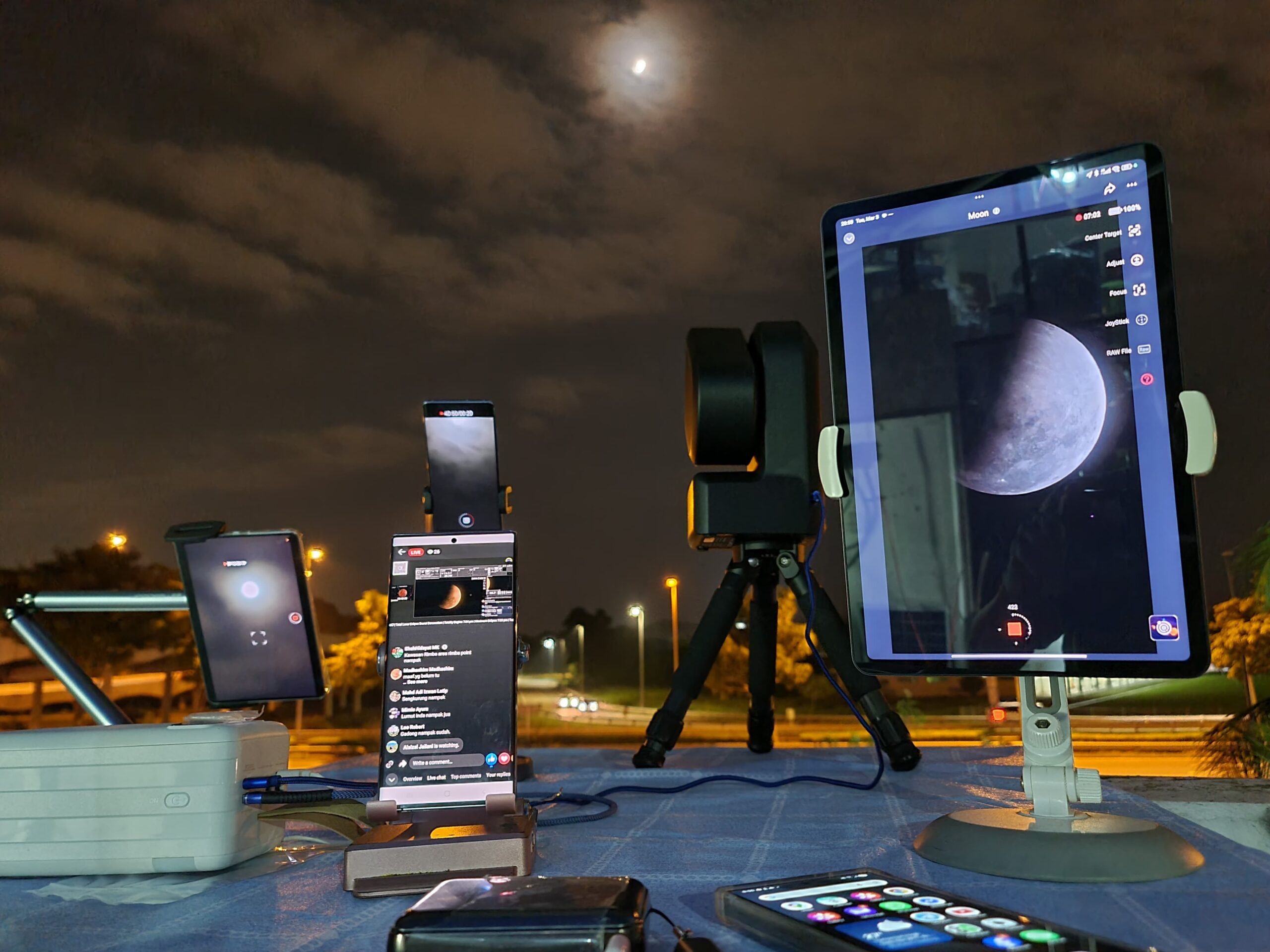
The live stream via all bruneiastronomy digital platforms became a focal point for the public, allowing many to stay connected to the eclipse despite limited visibility in few areas in the Sultanate.
Community Sharing
Members of the Bruneiastronomy WhatsApp Group played an active role throughout the night. As clouds shifted across the country, participants shared their own photos, sky conditions, and observing setups. Several managed to capture partial-phase images, contributing to a collective record of the event:


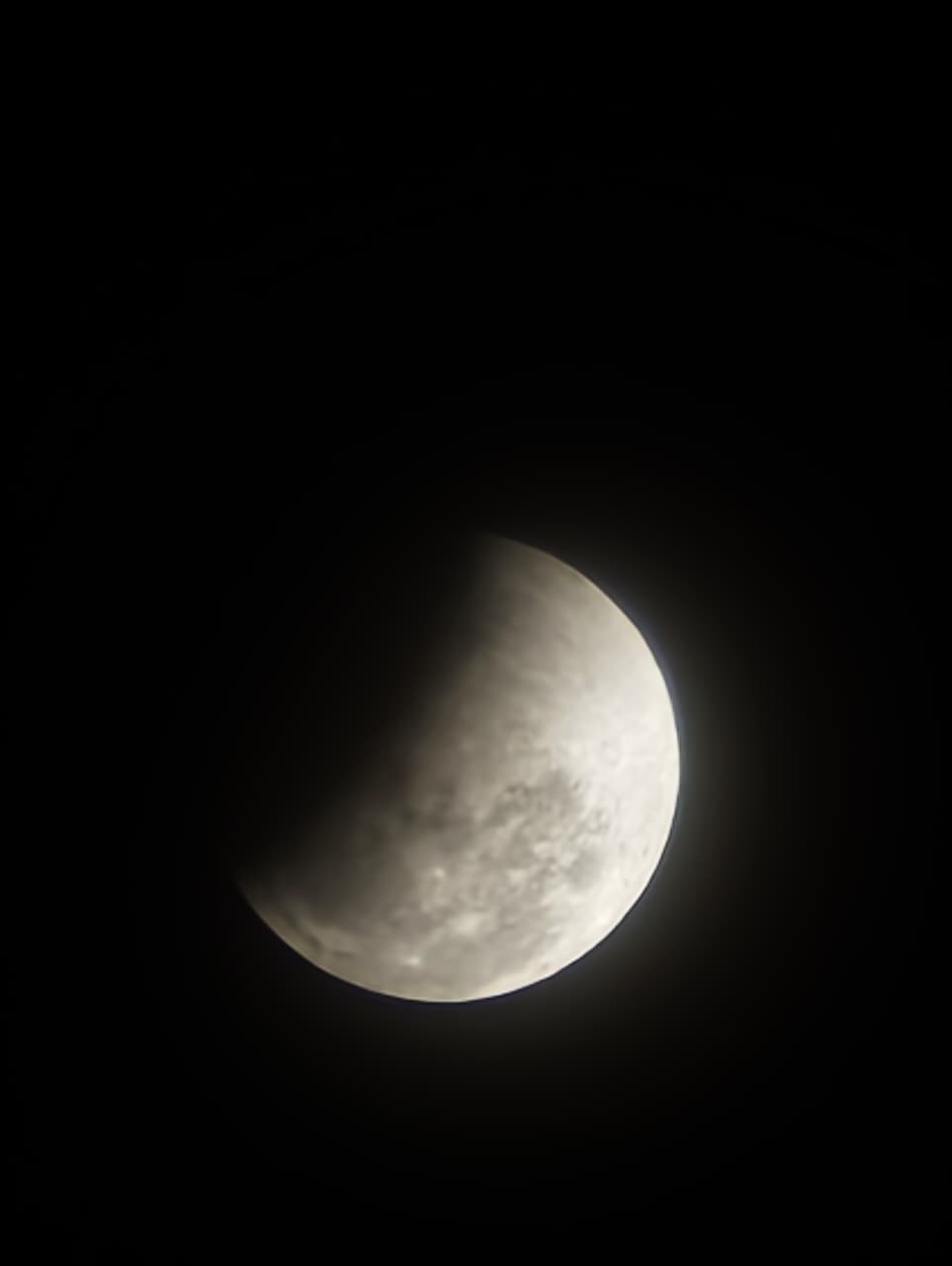


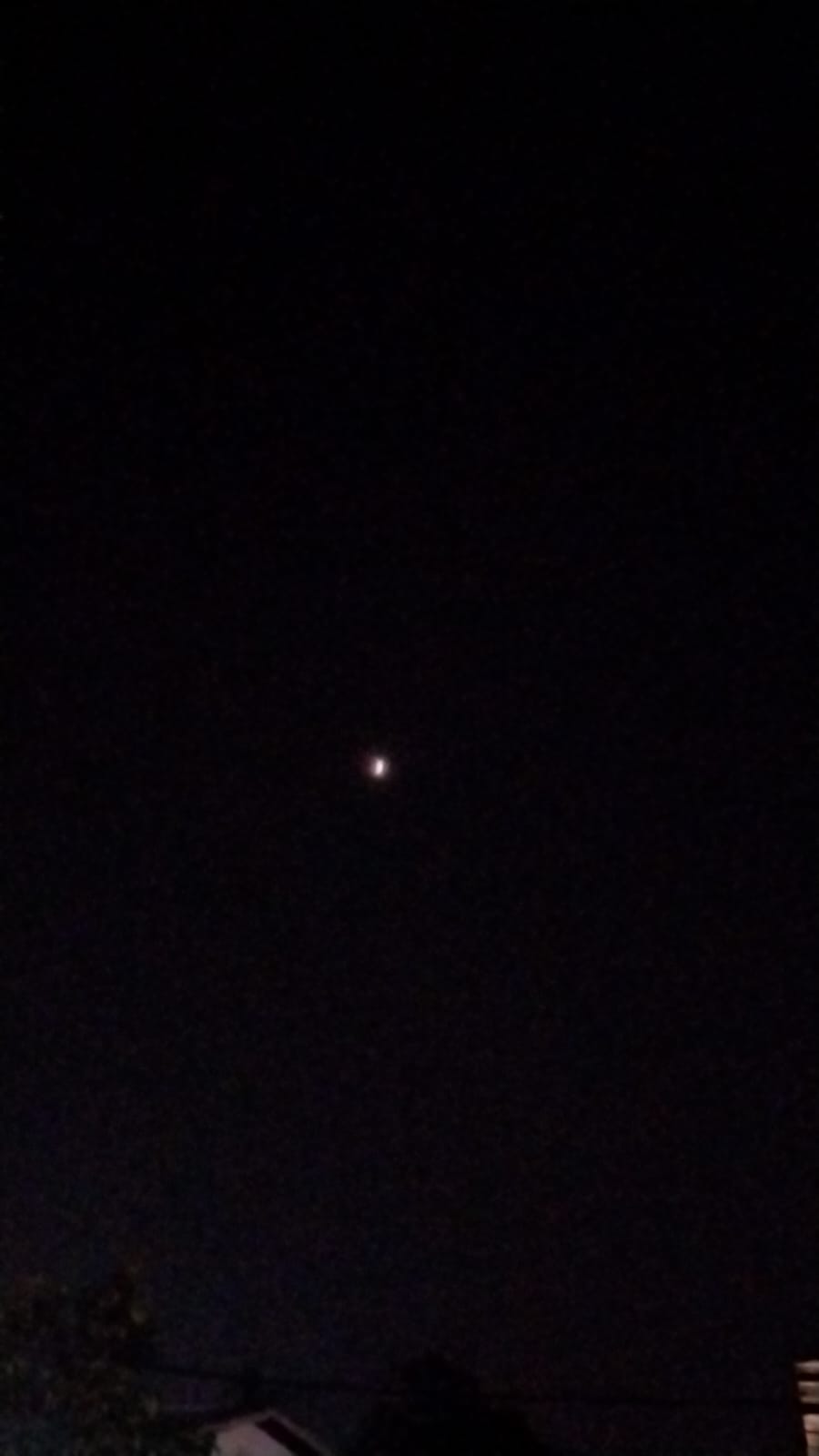


(Abd Hamid, Adib Taha, Arif Ismail, Danial Matin, Hazirah, Iqbal Selamat, Jian, Aariz, Syazwani and WeiWei)
Although the total lunar eclipse was largely obscured by clouds, the event highlighted the dedication and unity of Brunei’s astronomy community. Through private observations, live streaming, and active sharing among enthusiasts, the eclipse became more than a visual spectacle – it became a moment that brought people across the country together to look up at the sky.
The next time a total lunar eclipse coincides with Ramadan will be on 7 July 2047. Before that, Brunei will experience a partial lunar eclipse on 6 July 2028, followed by a total lunar eclipse on 31 December 2028, which will continue into new year 1 January 2029. Clear skies, and keep looking up!
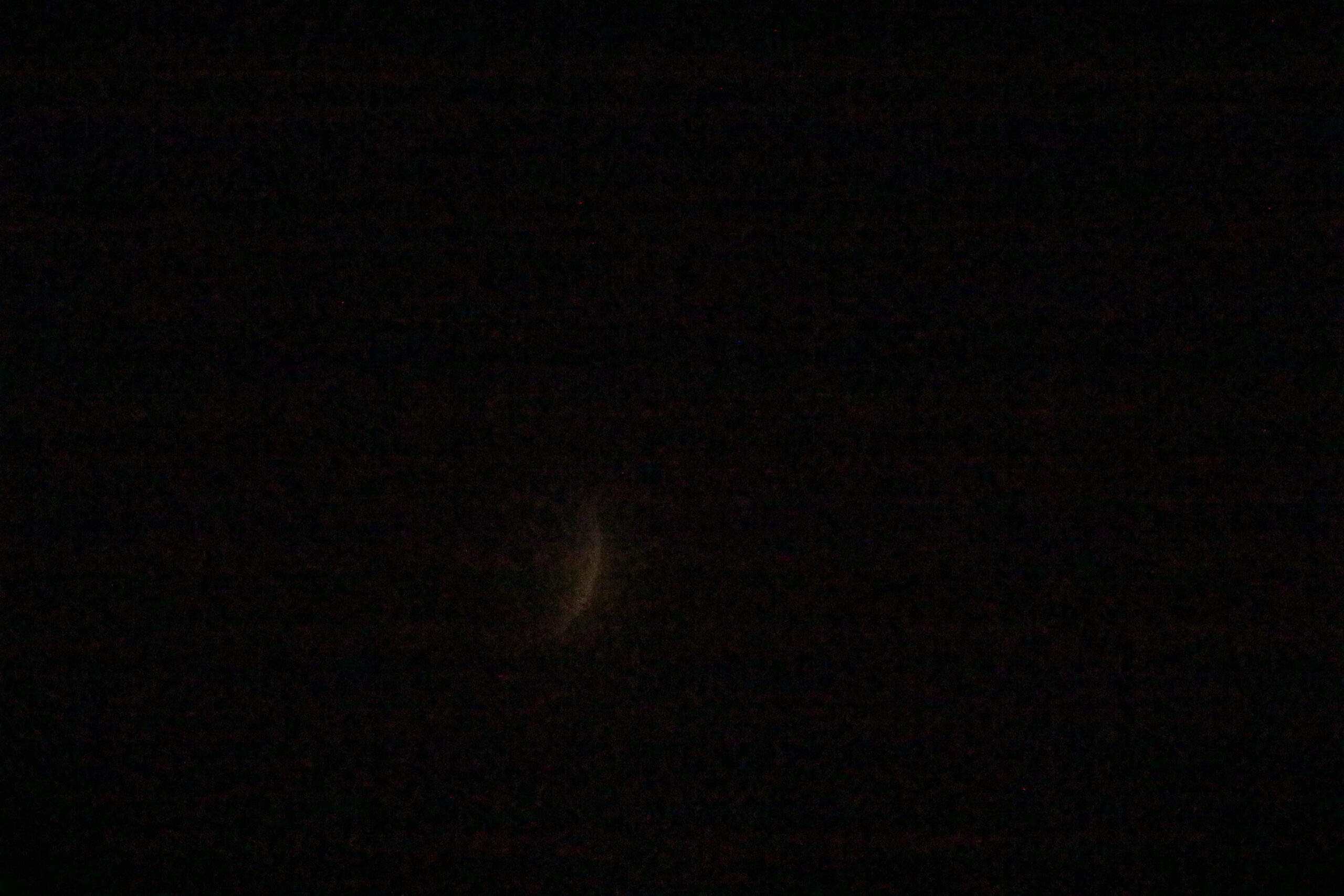


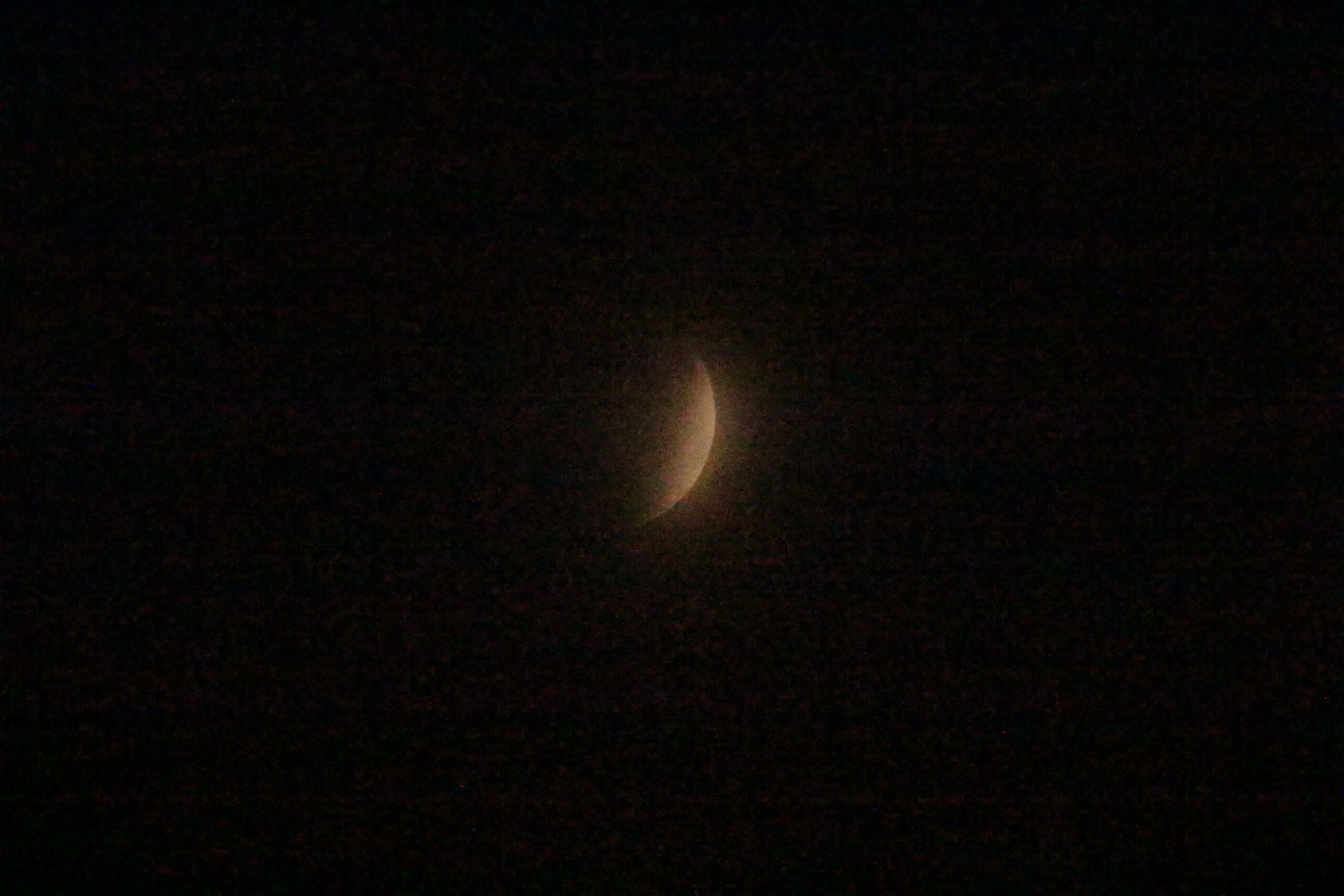


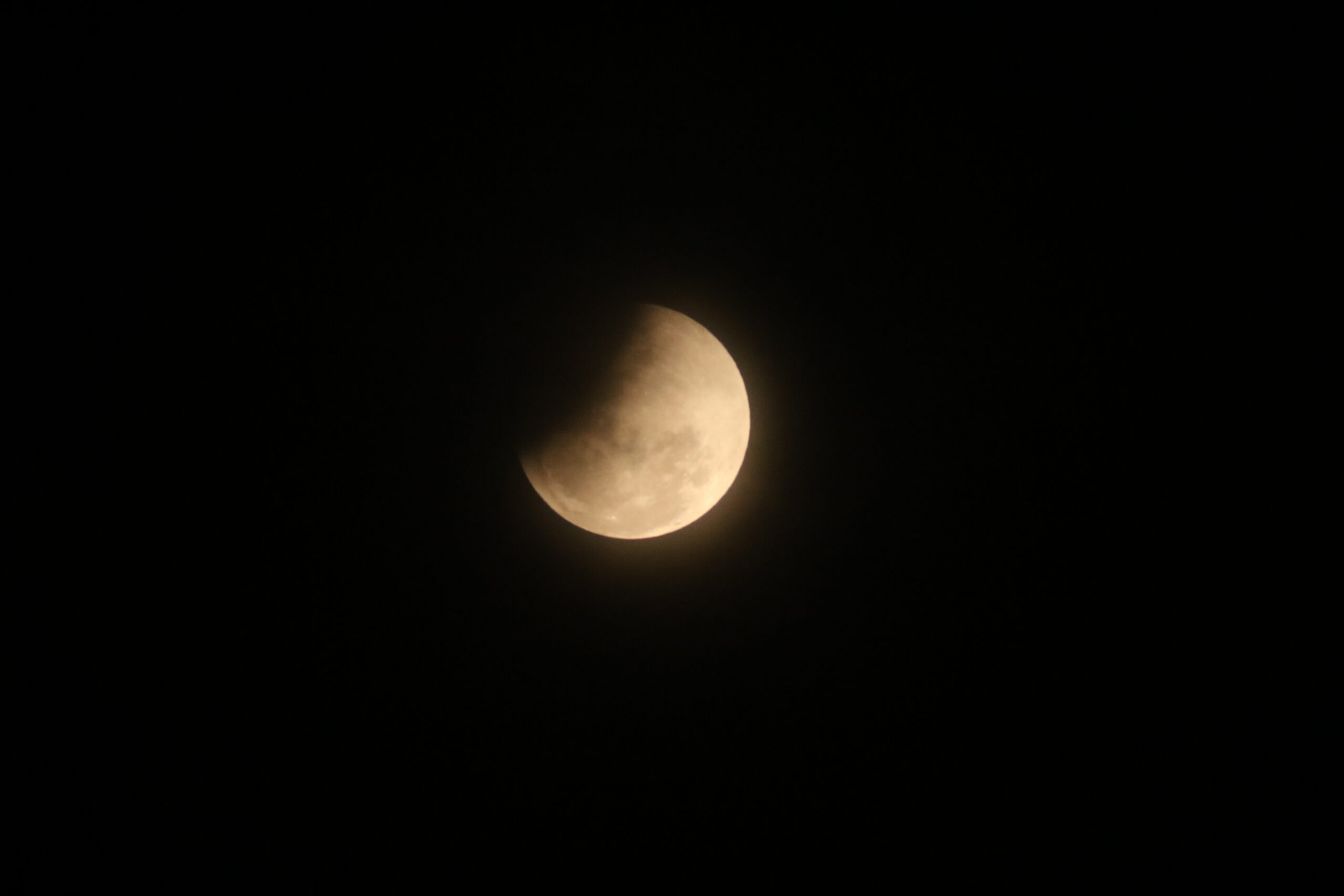


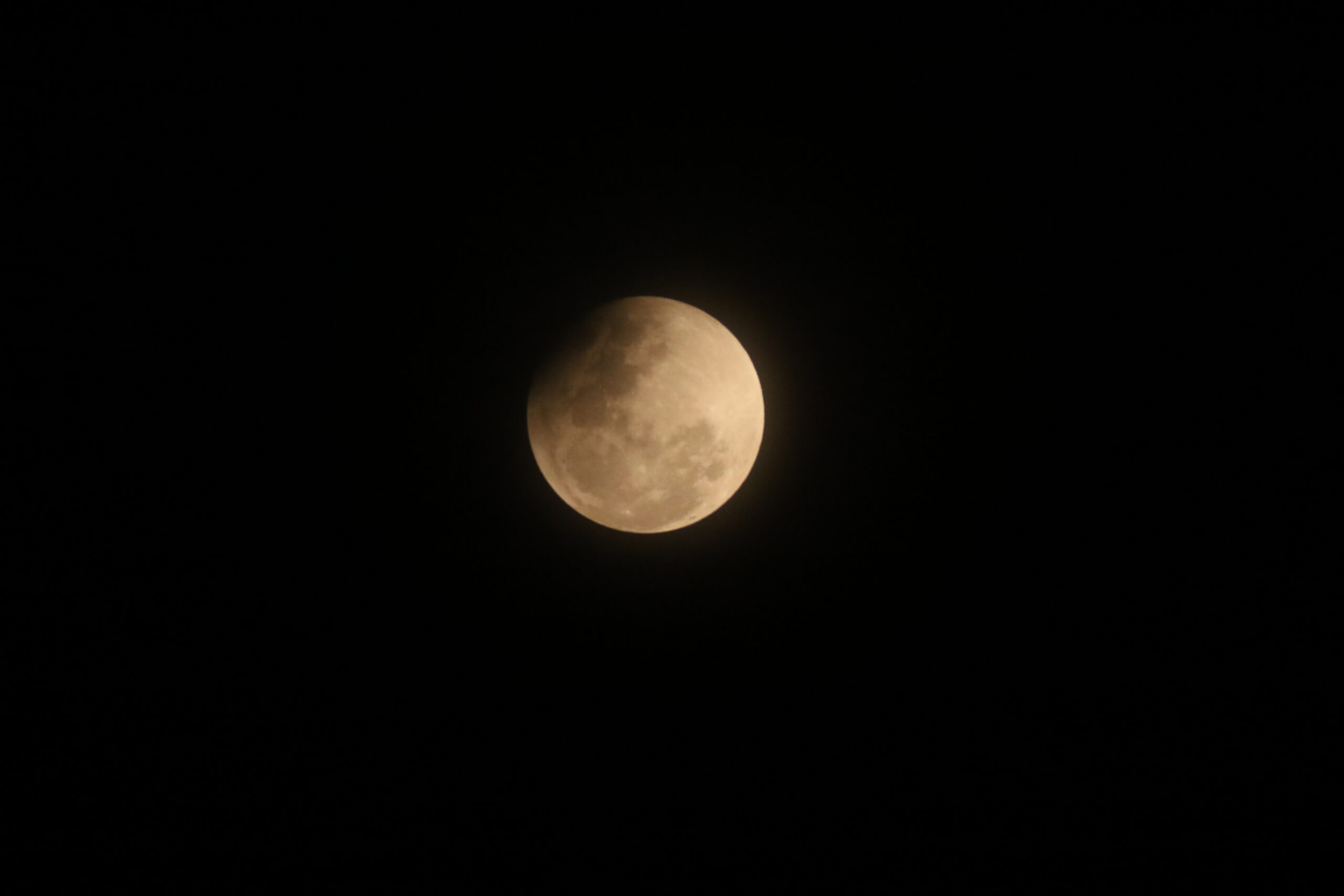

Photos by Hazarry Ali Ahmad / PABD