By Nurul Musyfaahtul Ain, the Astronomical Society of Brunei Darussalam.
March 10, 2026.
Summary: From Papar’s new observatory to Kota Belud’s rivers and Kudat’s legendary dark skies, our Ramadan Milkyway Hunt 2026 became an adventure of shared stories, coastal cooking, stargazing marathons, and breathtaking landscapes – a journey where Sabah’s beauty, its people, and the cosmos came together in one unforgettable experience. Most of all, we travelled with incredible people, AstroFalak expert, Dark Sky Rangers, and friends who turned every moment into a memory. A celestial travelogue.
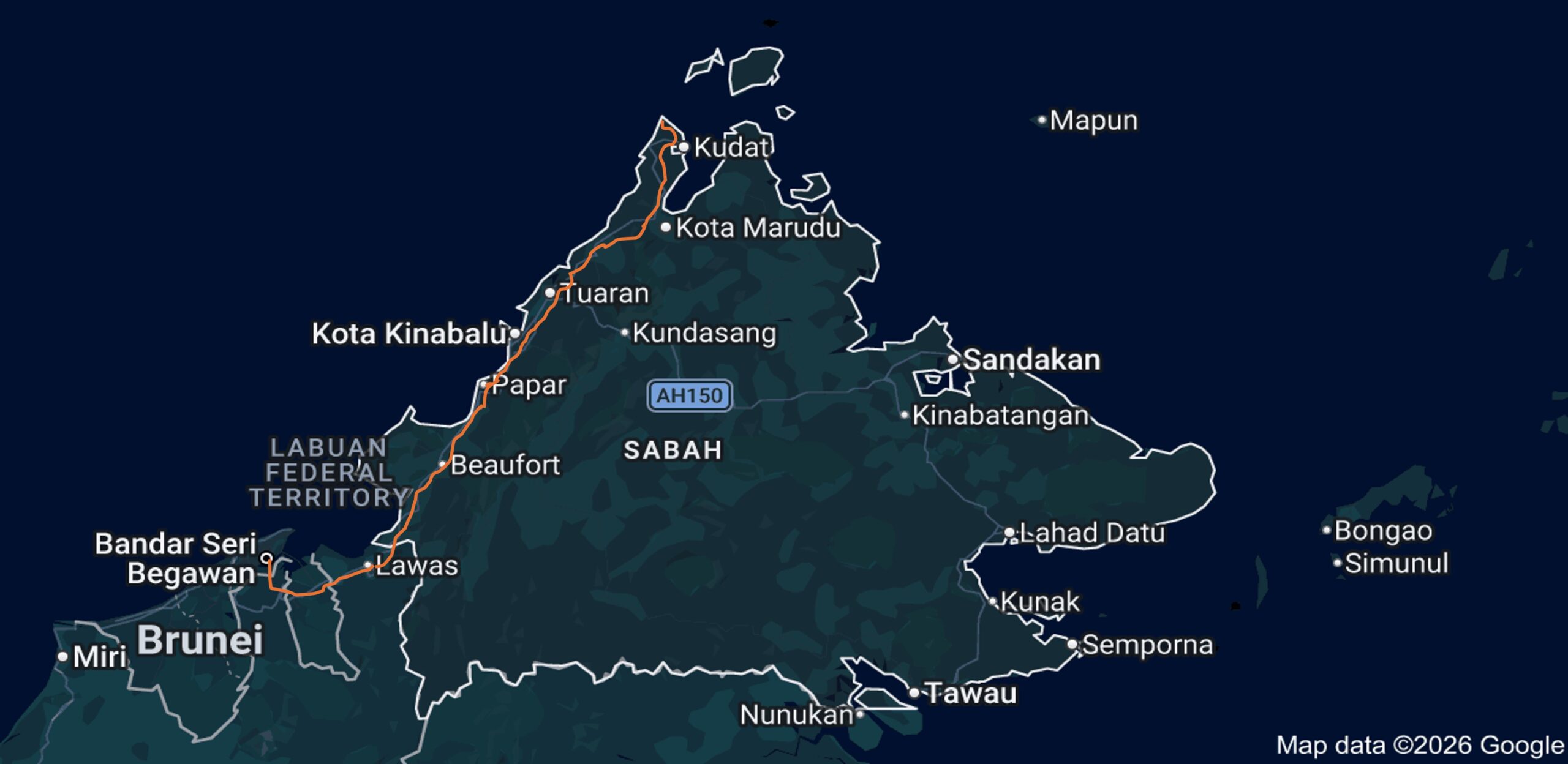
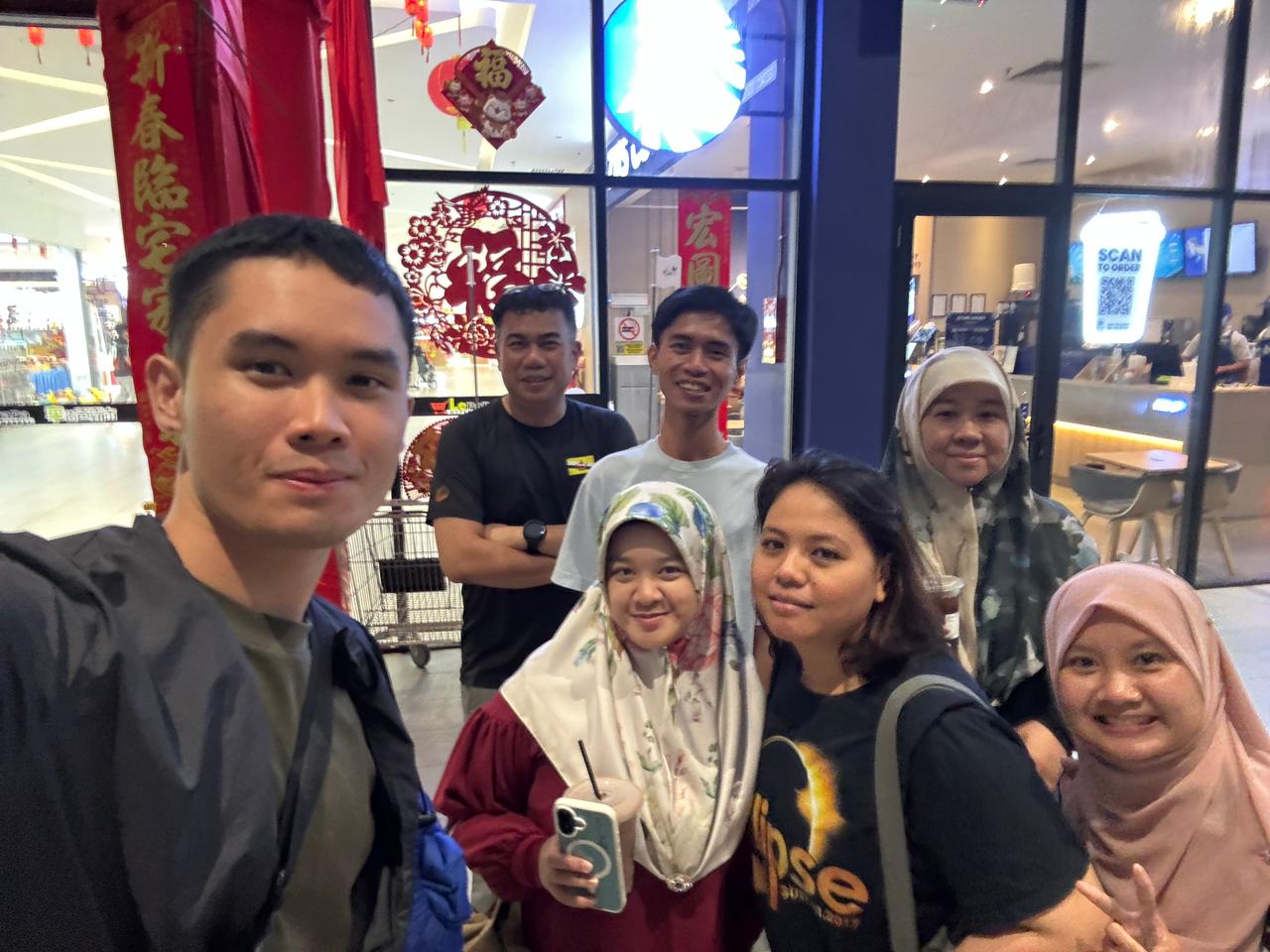
From 20 to 24 February 2026, our journey unfolded across the sweeping landscapes of Kota Kinabalu, Papar, Kota Belud, and Kudat – five days on the road in two cars, tracing the northern curve of Borneo in search of its darkest skies. Sabah has long been whispered about among stargazers as one of Southeast Asia’s most promising frontiers: vast stretches of countryside untouched by heavy light pollution, horizons that open wide in every direction, and coastal plains where the night sky rises unobstructed from the sea. Under these conditions, the Milky Way reveals its full glory, meteor trails carve bright arcs overhead, and deep‑sky objects emerge with a clarity rarely seen in more urban settings. Drawn by this promise, seven members of the Astronomical Society of Brunei Darussalam (PABD) set out to experience Sabah’s celestial wilderness firsthand – an overland expedition shaped by curiosity, camaraderie, and the timeless pull of the stars.
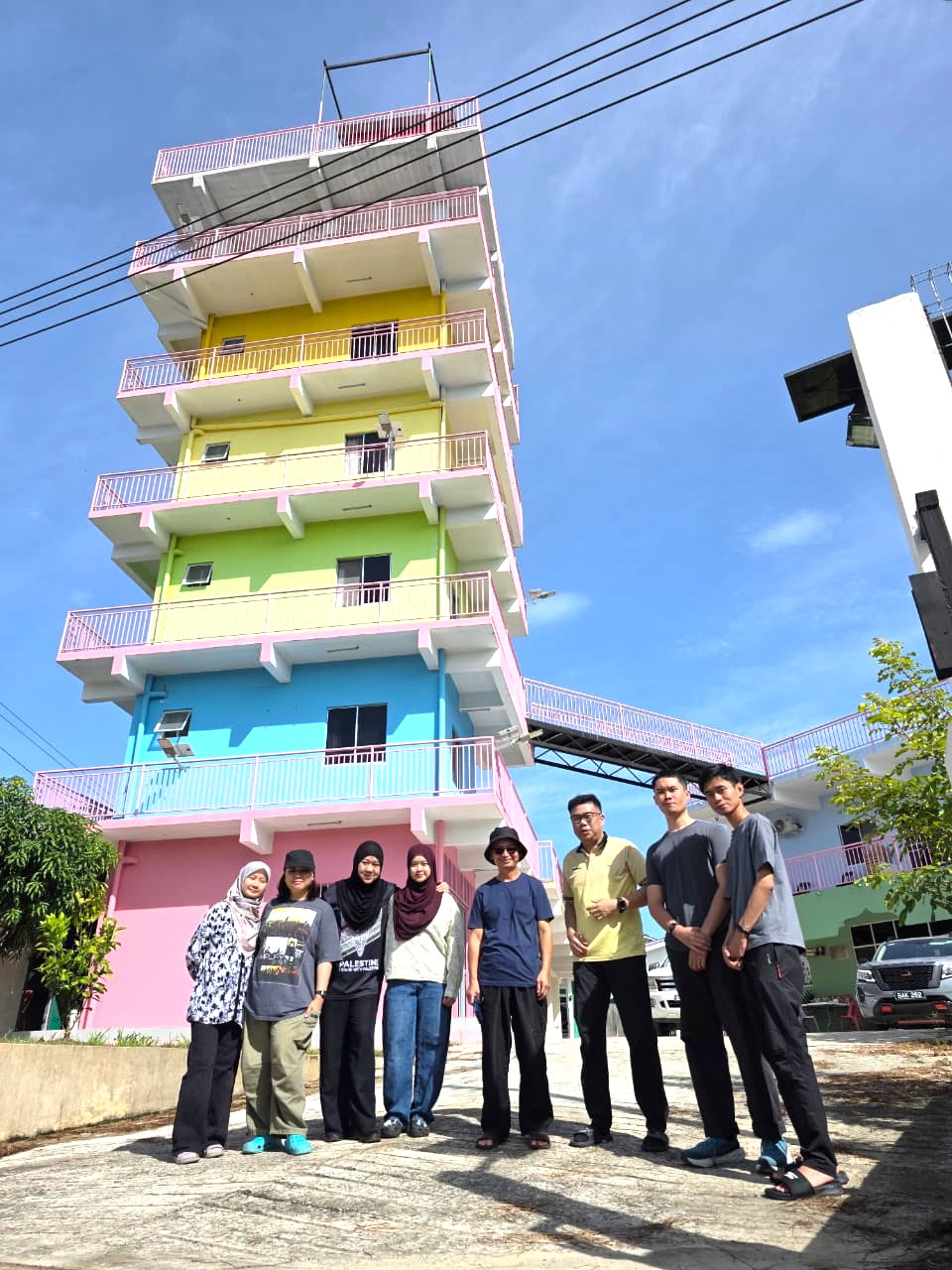
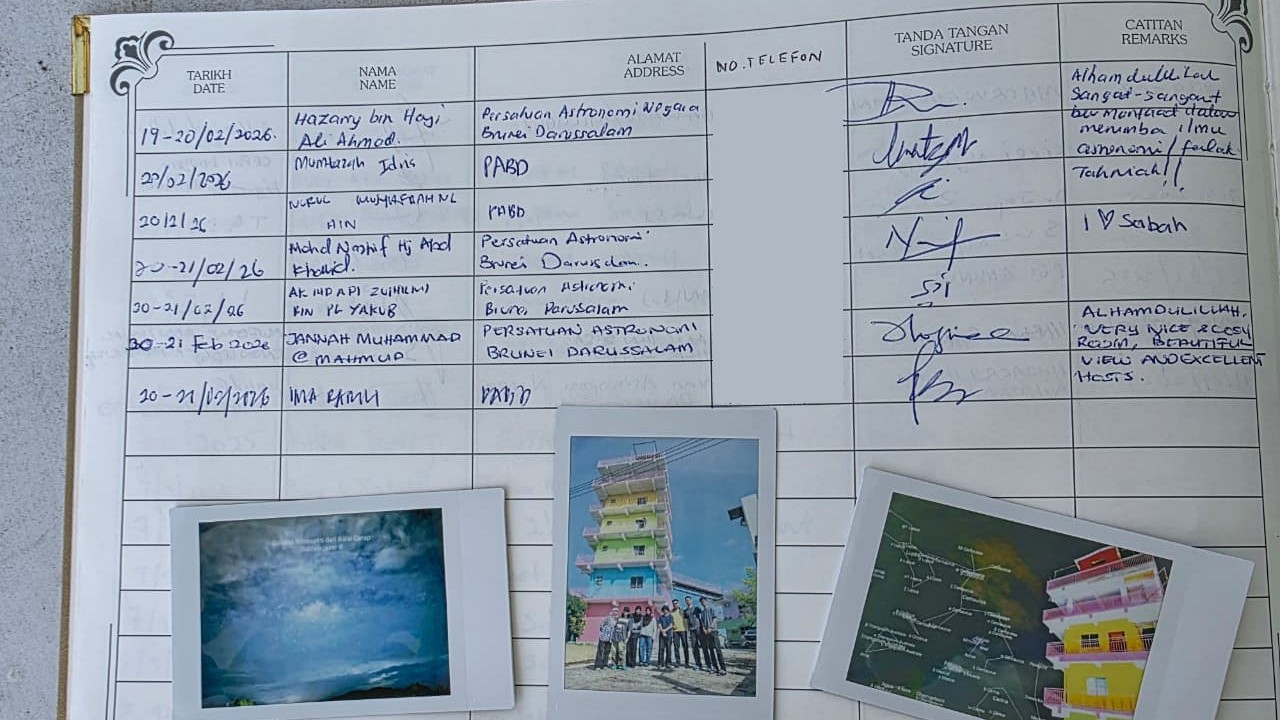
Our first stop was the Kompleks Balai Cerap Saizwagger 2 in Papar, an observatory operated by Dr. Hj. Sairin, an astrofalak expert. The building itself reflected a strong astronomy theme, with planetary designs throughout the interior. Even the small details, such as bedsheets and floor tiles designed with compass directions, created a space that felt intentionally connected to celestial observation. From the sixth floor, the landscape stretched across distant mountains and hazy horizons, illustrating how observatories are often located in elevated areas to minimise atmospheric obstruction and artificial light.
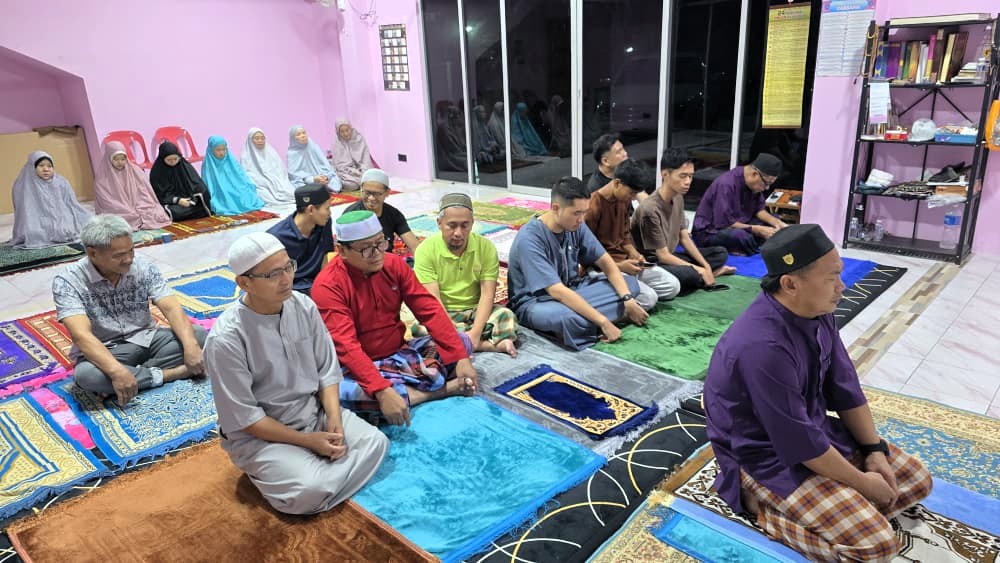
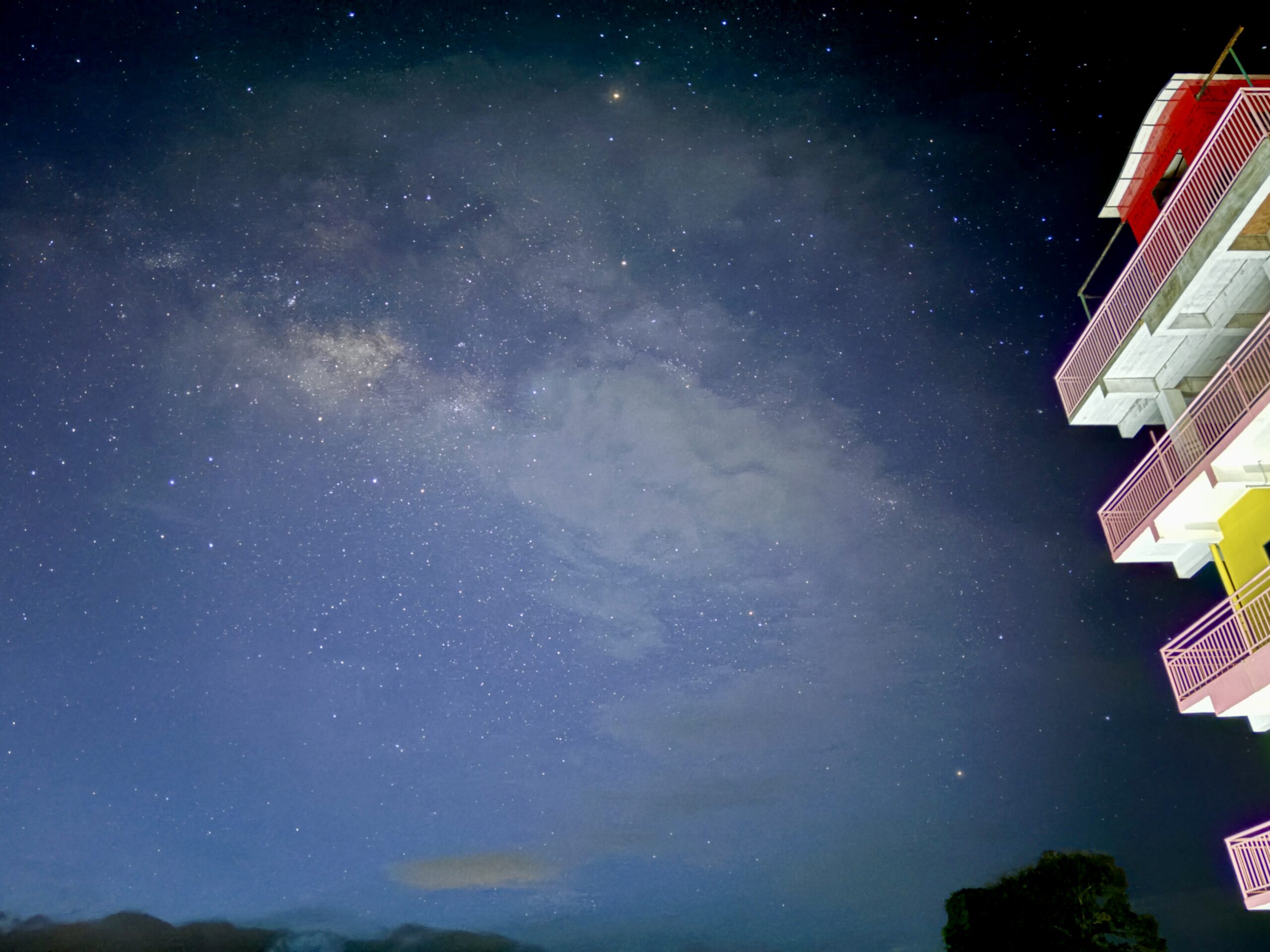
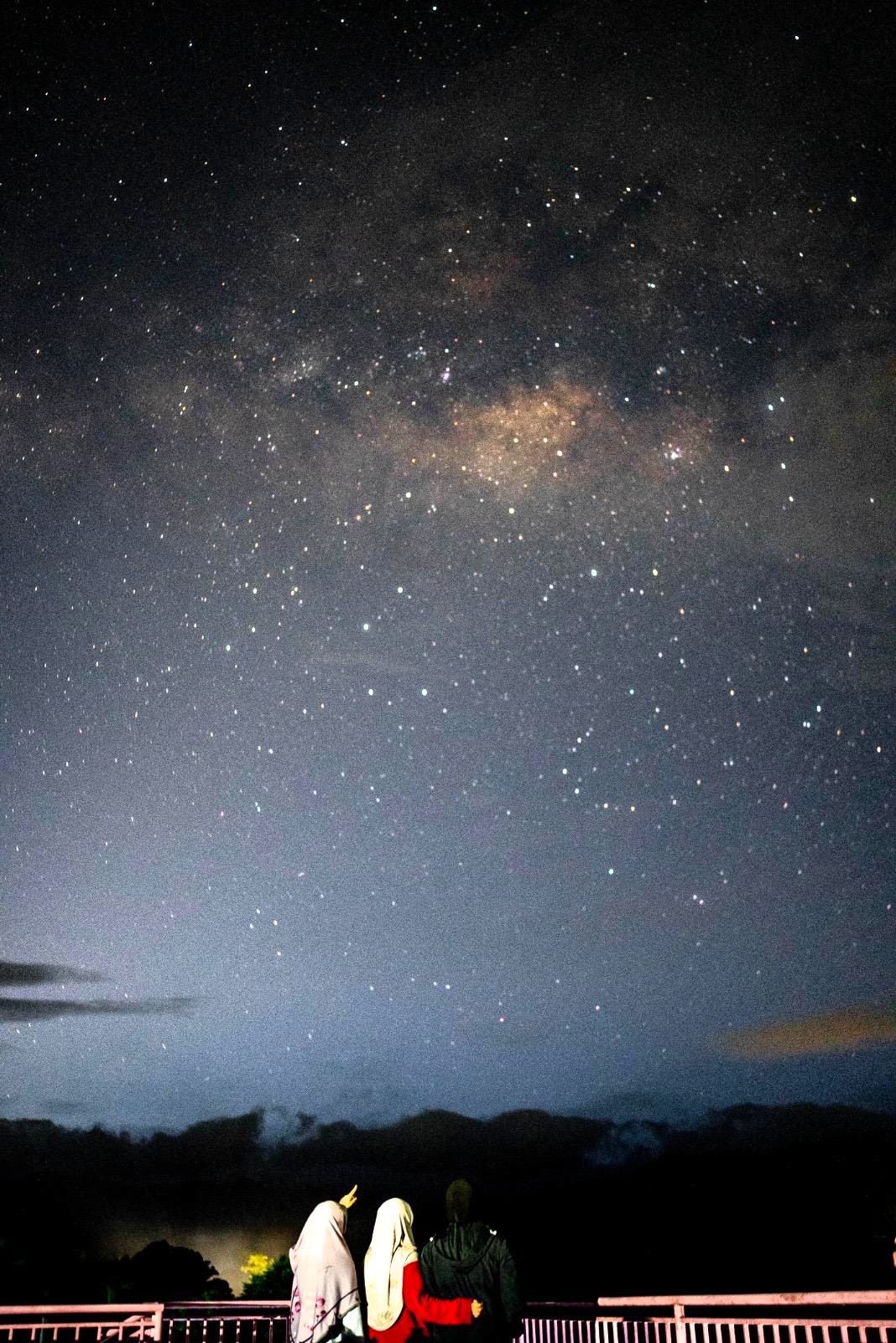
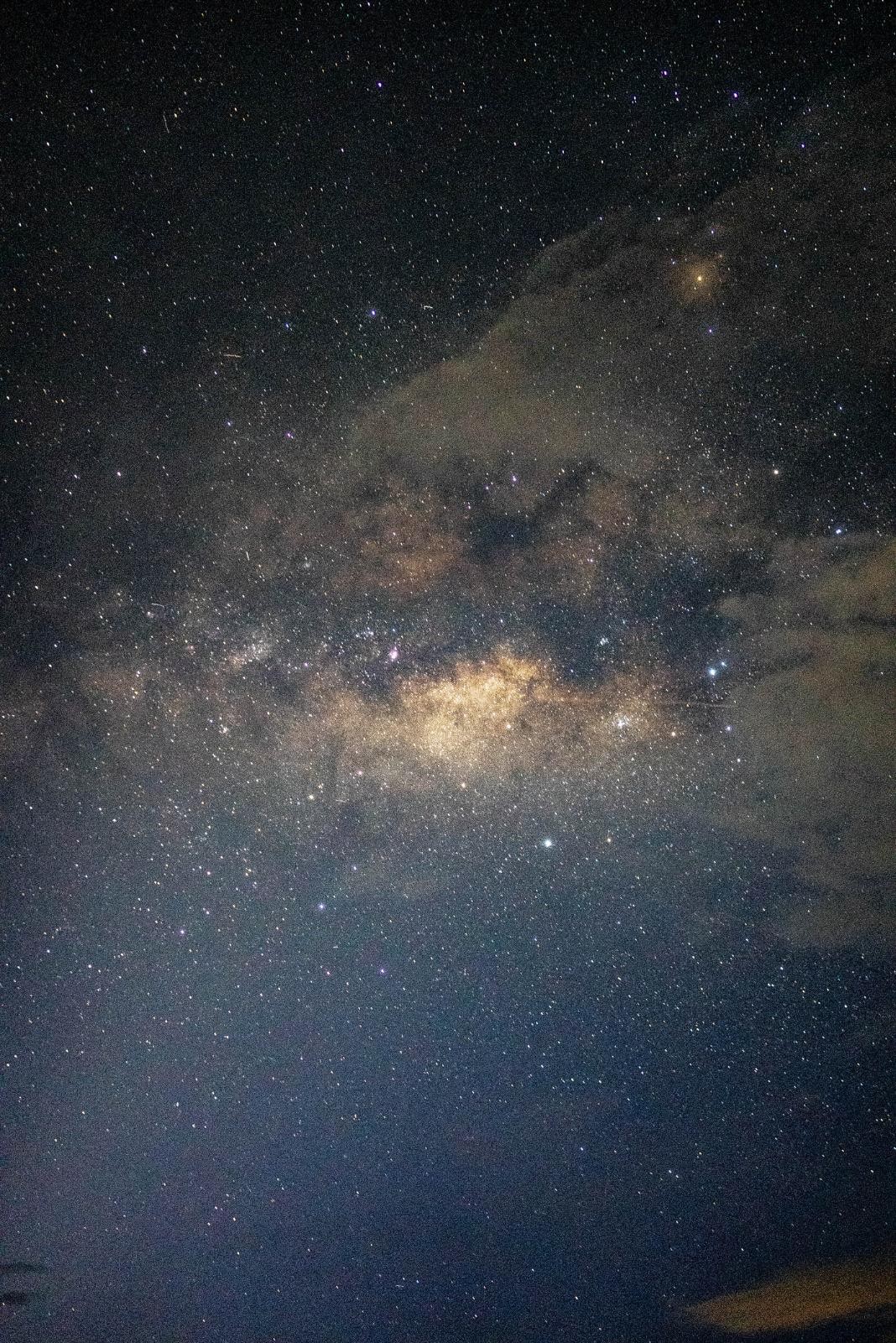
The night sky at Papar was one of the most memorable moments of the trip. In the early hours before dawn, the Milky Way appeared clearly across the sky, stretching horizontally along the horizon. Because the surrounding area has relatively low light pollution, the structure of the galaxy was visible to the naked eye. The densest and brightest part of the band was the Galactic Center, the region where billions of stars are concentrated around the core of our galaxy. Seeing this glowing band of light above us gave a powerful sense of scale, reminding us that our solar system exists within a much larger cosmic structure. Also, during the observation session, we spotted meteors streaking across the sky and identified several constellations such as Scorpius, Norma, Ara, Sagittarius, and more.
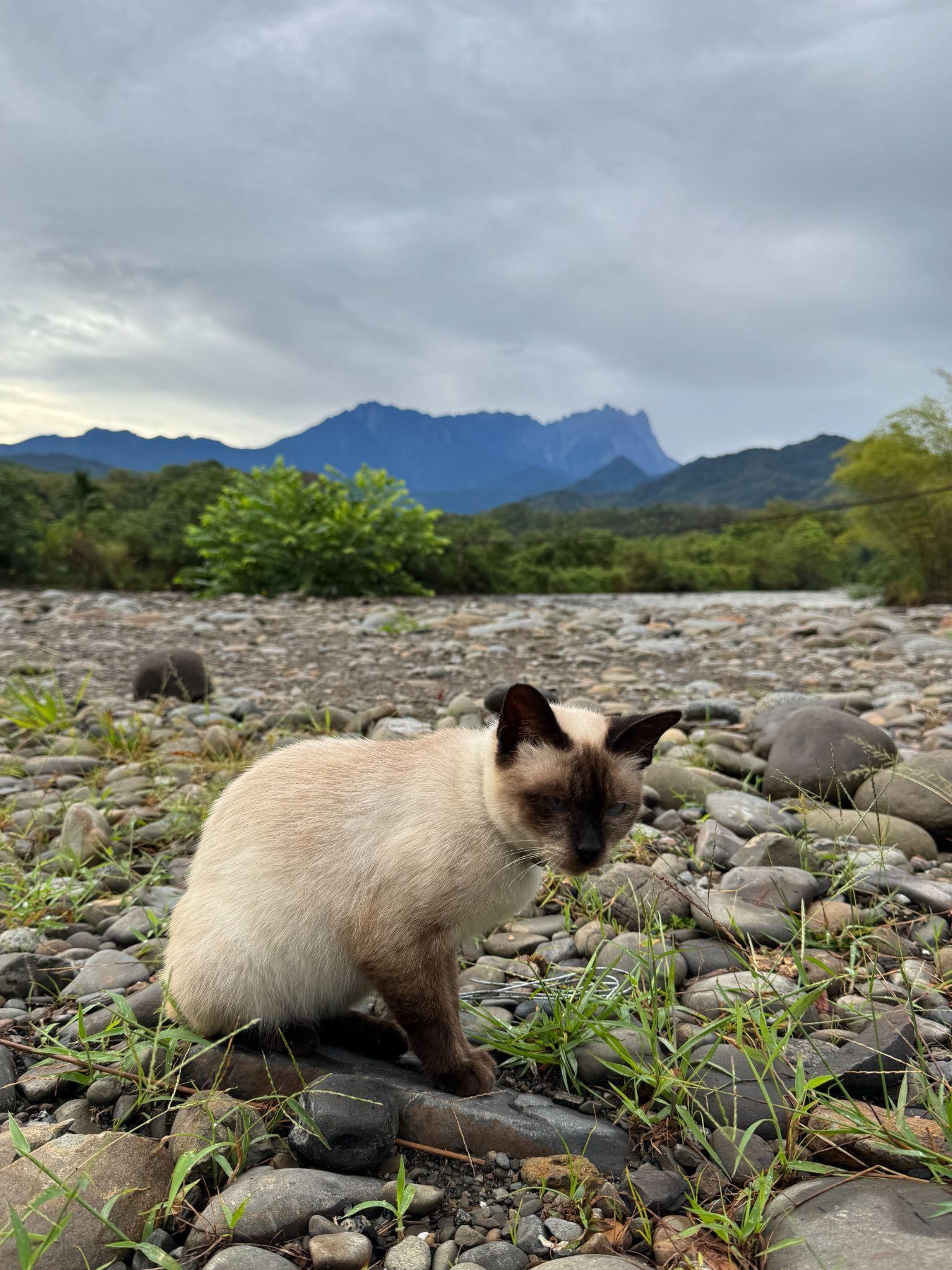
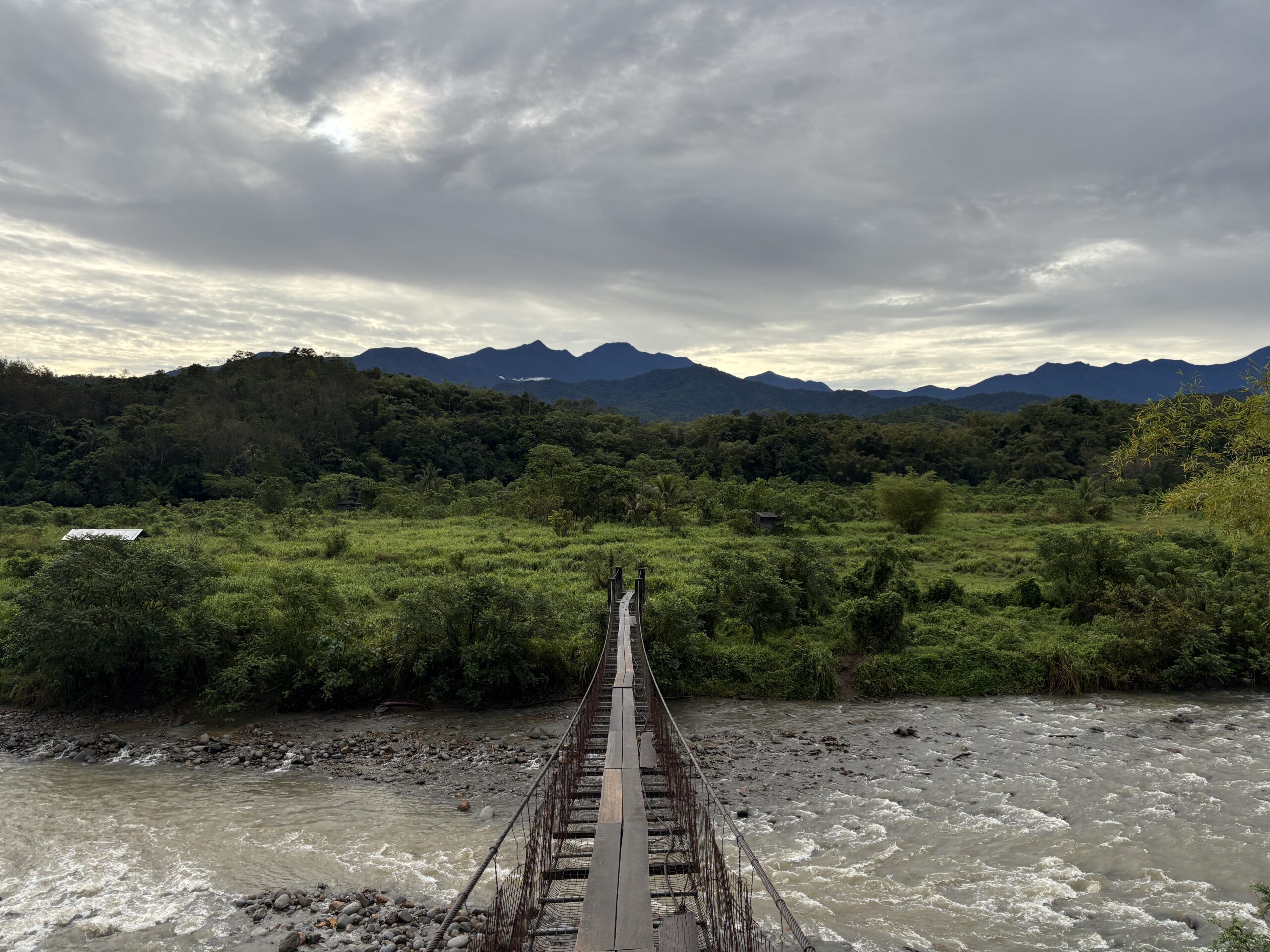
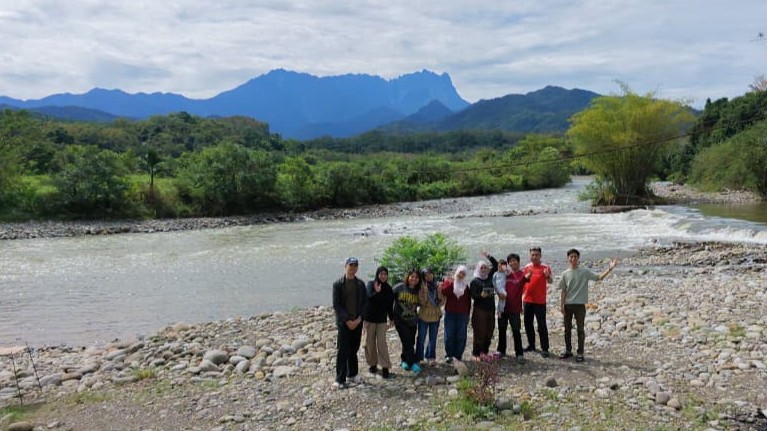
The following morning, we travelled to Kota Belud and stayed at Tagudon Tourist Village, located near the foothills of Mount Kinabalu. The campsite offered clear views of both the river and the surrounding mountains, demonstrating another key factor in astronomical observation: open landscapes with minimal visual obstructions. That evening, we met Emma Zulaiha Zulkifli, founder of Dark Sky Malaysia, who shared insights about public astronomy outreach and efforts to promote dark-sky awareness. Although rain prevented stargazing that night, discussions around the campfire highlighted the important role that astronomy communities play in fostering environmental awareness and scientific curiosity.
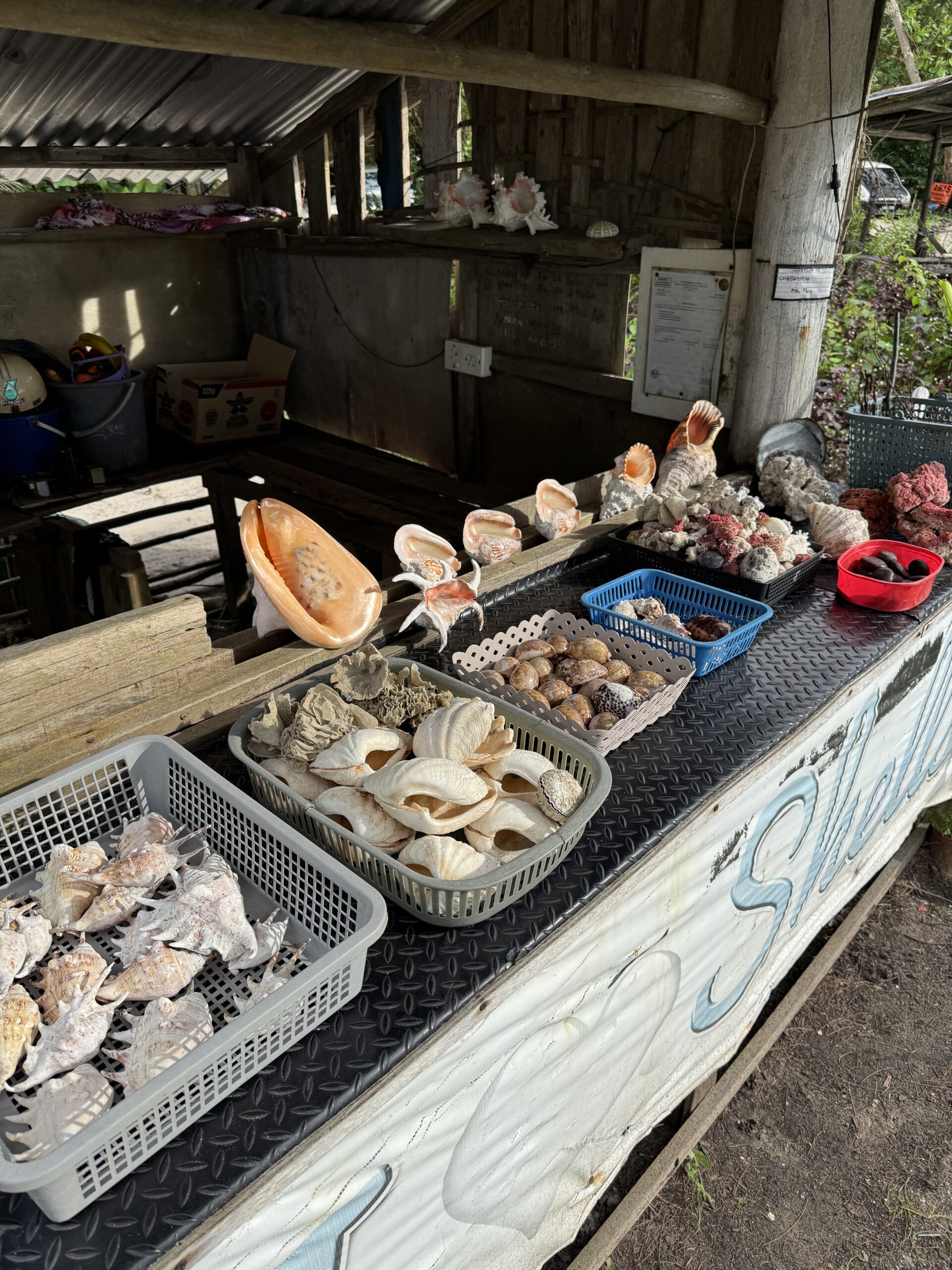
Our journey continued to Kudat, located at the northern edge of Borneo. Along the drive, we observed rural infrastructure, such as solar panels used to generate electricity in remote communities. These systems are particularly important in areas where reducing artificial light also helps preserve darker skies. After arriving in Kudat, we stopped by a small seashell stall near the beach. The stall sold real seashells collected from the coastline, ranging from RM5 to RM35 – Each of us bought one or two shells as souvenirs.
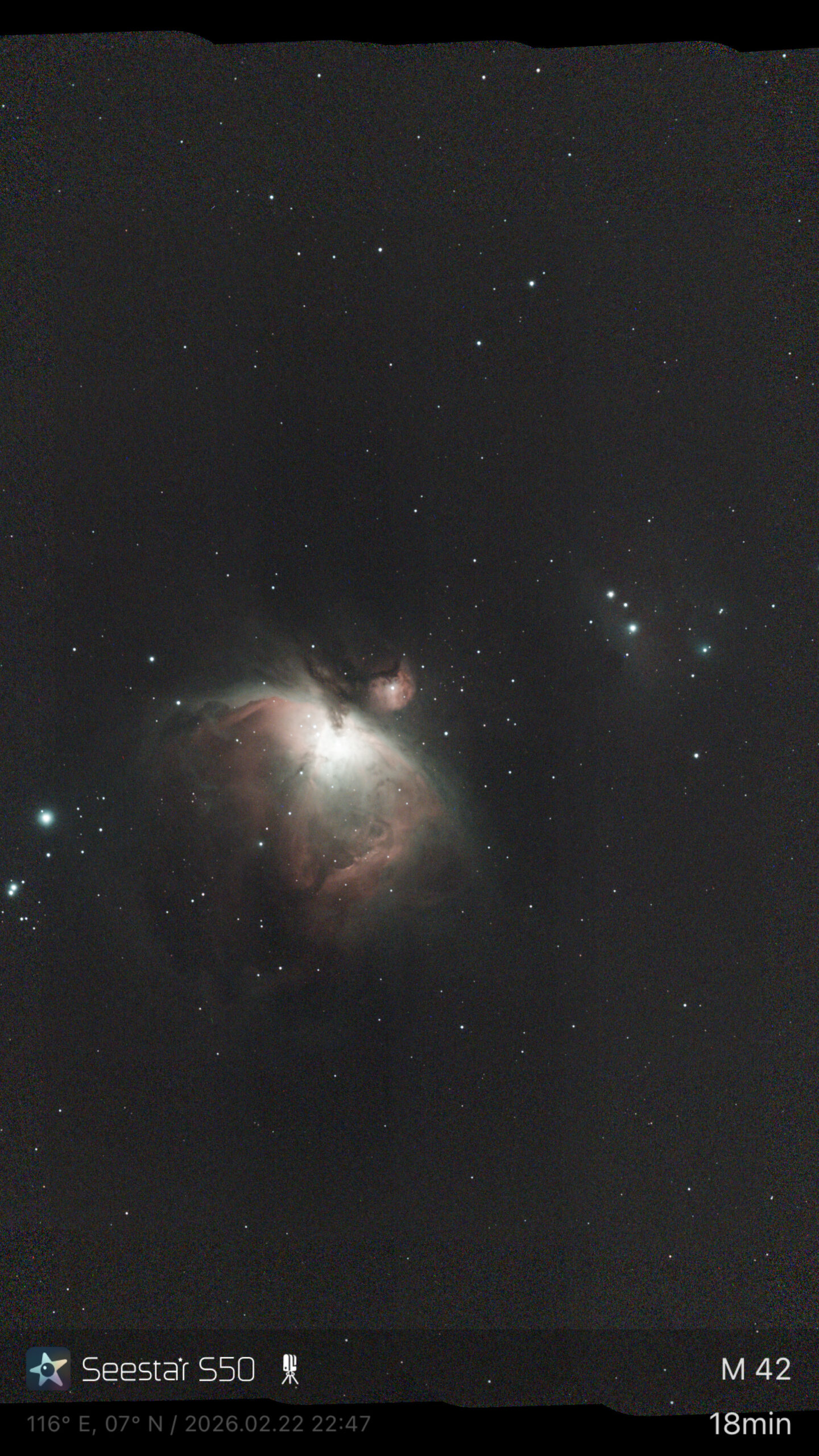
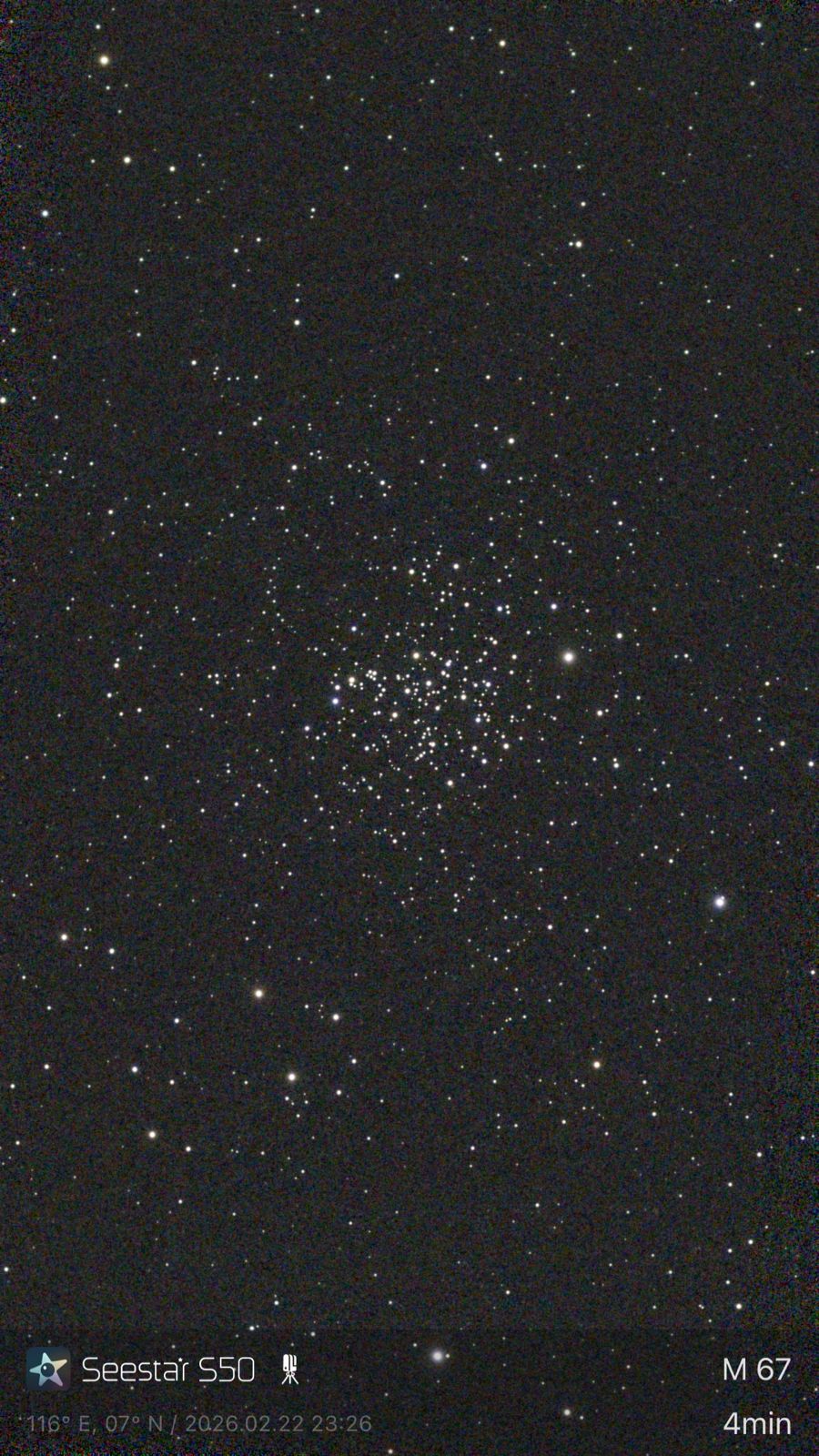
At night, we travelled to the Tip of Borneo, the northernmost point of the island. The coastal location offers unobstructed horizons facing the open sea, making it an ideal site for night-sky observation. During our observation session, we also learned how to use the Starsense Explorer, along with the Sky Map on the phone, to navigate the night sky. By using the digital sky map, we were able to identify constellations and immediately locate specific celestial objects such as stars, planets, and nebulae through the telescope. Using the digital smart telescope, ZWO Seestar S50, we captured images of the Orion Nebula and the star cluster Messier 67. Even with limited time and travel fatigue, the sky revealed countless stars, constellations, and distant galaxies.
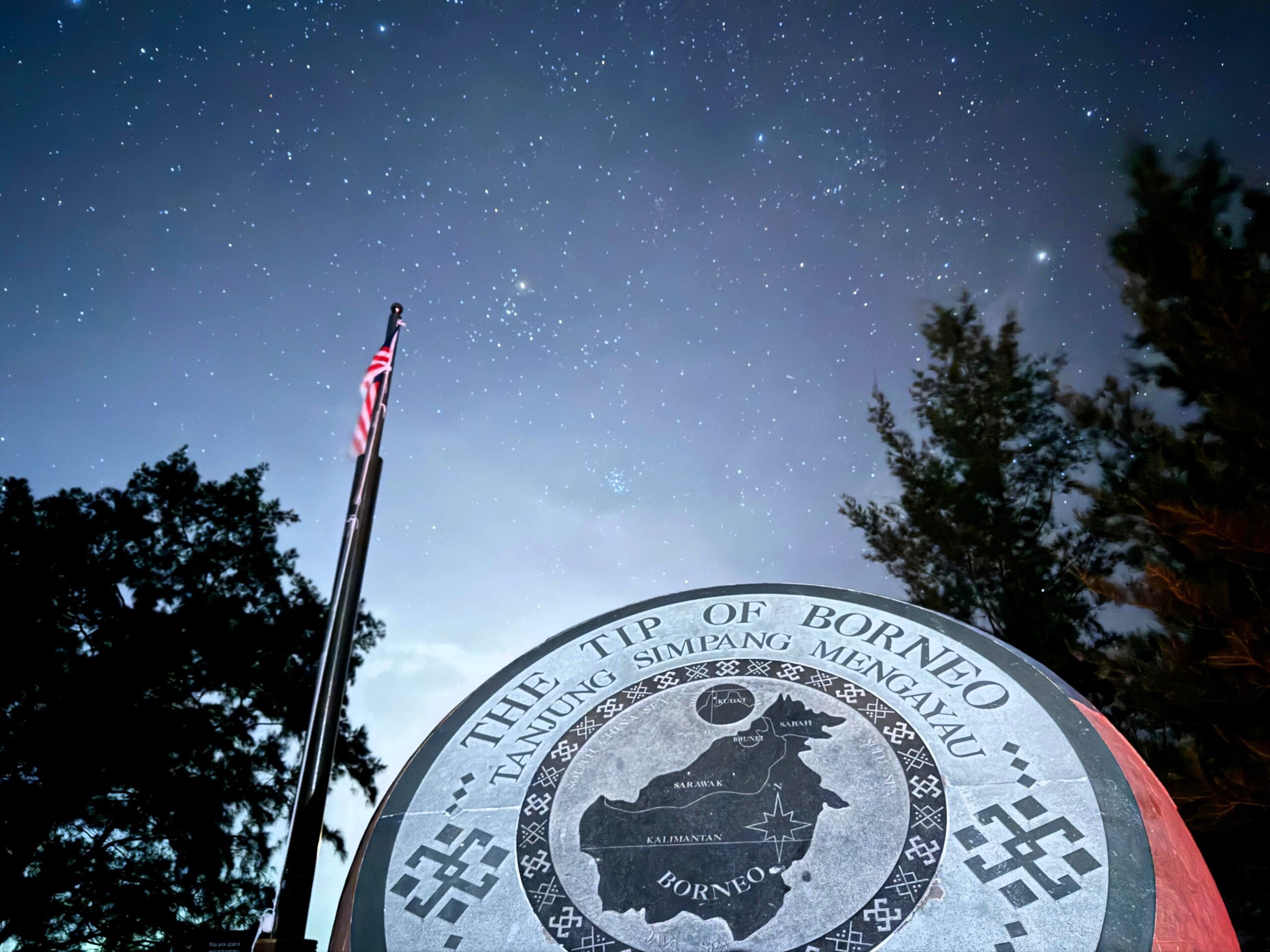
The monument at the Tip of Borneo also reflects the place’s cultural history. Known locally as Tanjung Simpang Mangayau, it is connected to the history of the Rungus people, whose folklore describes the area as a place where their ancestors defended their territory. Learning about these stories added another layer of meaning to the landscape. It reminded us that places like this are not only beautiful for astronomy but also rich in culture and history.
Overall, the journey demonstrated why Sabah is increasingly recognised as a valuable stargazing destination. Its combination of rural landscapes, coastal horizons, and growing astronomy communities creates an environment where both science and cultural appreciation of the night sky can thrive.
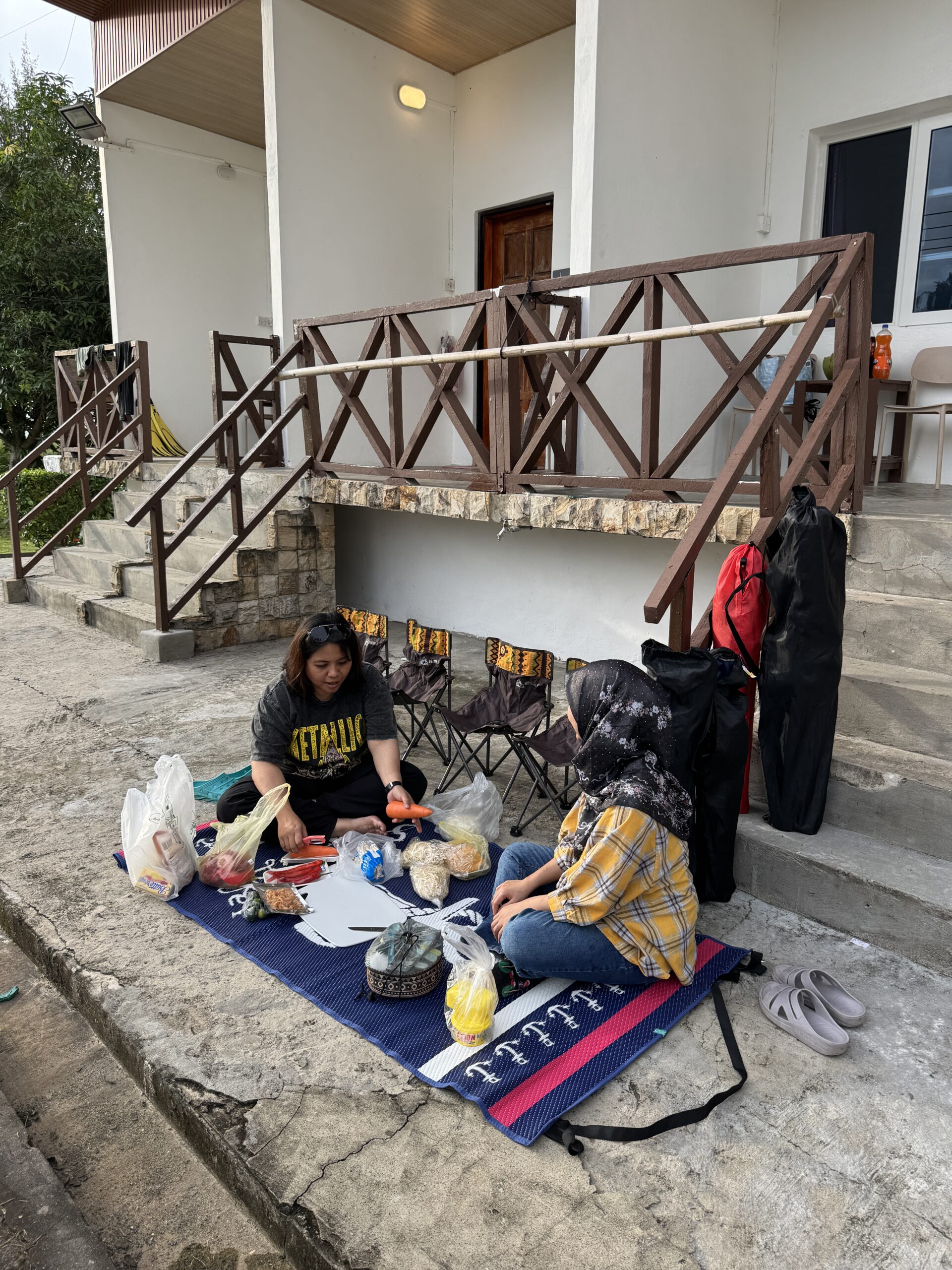
Beyond the astronomical experiences and breathtaking landscapes, the journey was also meaningful because of the people who shared the experience together. My sincere appreciation goes to Uncle Azaharry, Ka Jannah, Ka Ema, Mumtazah, Nazhif, and Adi Zulhilmi for helping capture great photographs throughout the trip and for making the journey both smooth and memorable. Travelling together, sharing meals, preparing for iftar and sahur, and standing under the vast night sky made the experience even more meaningful. It is a journey that truly filled my heart with gratitude. Salam Ramadan.