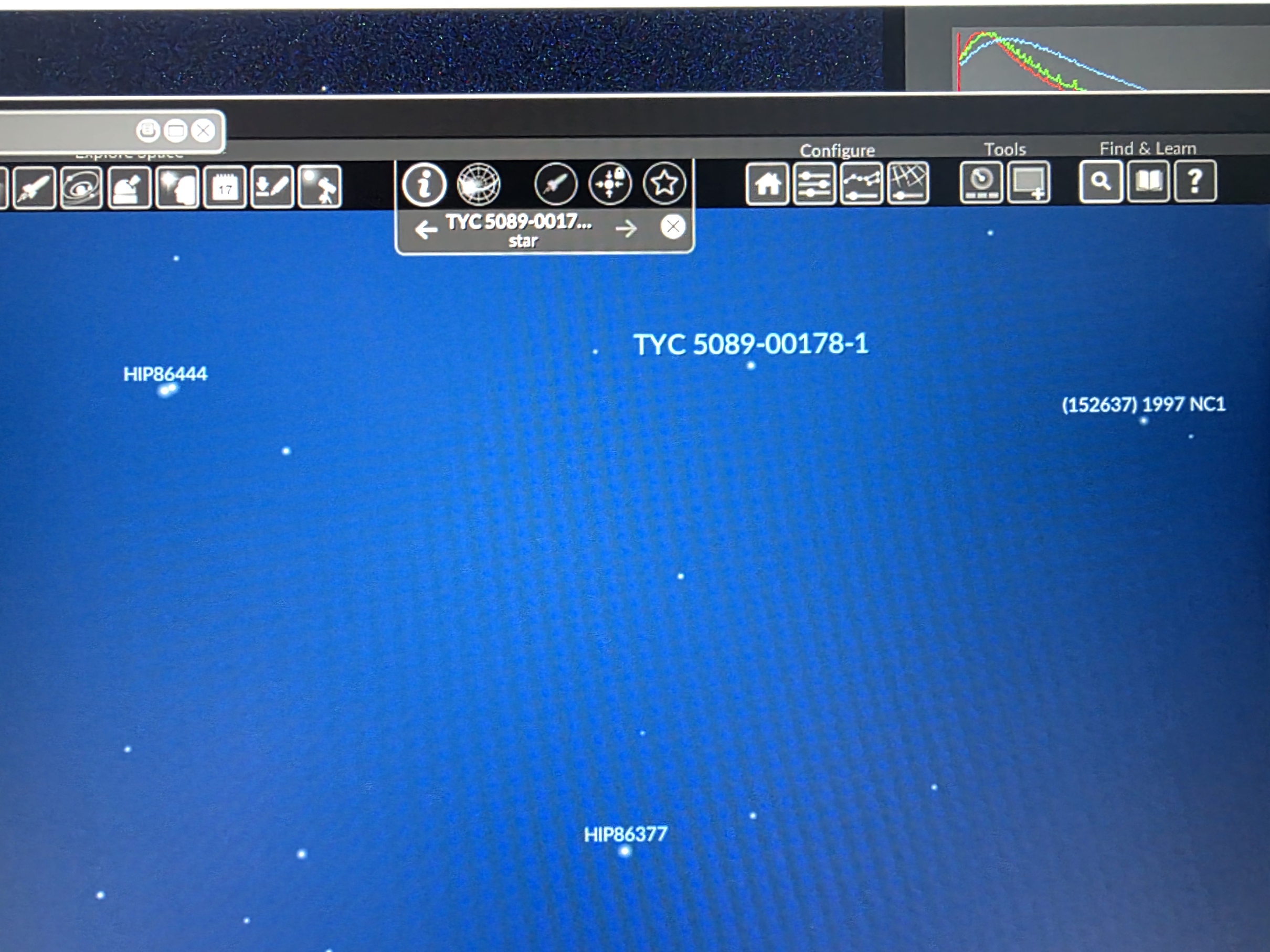
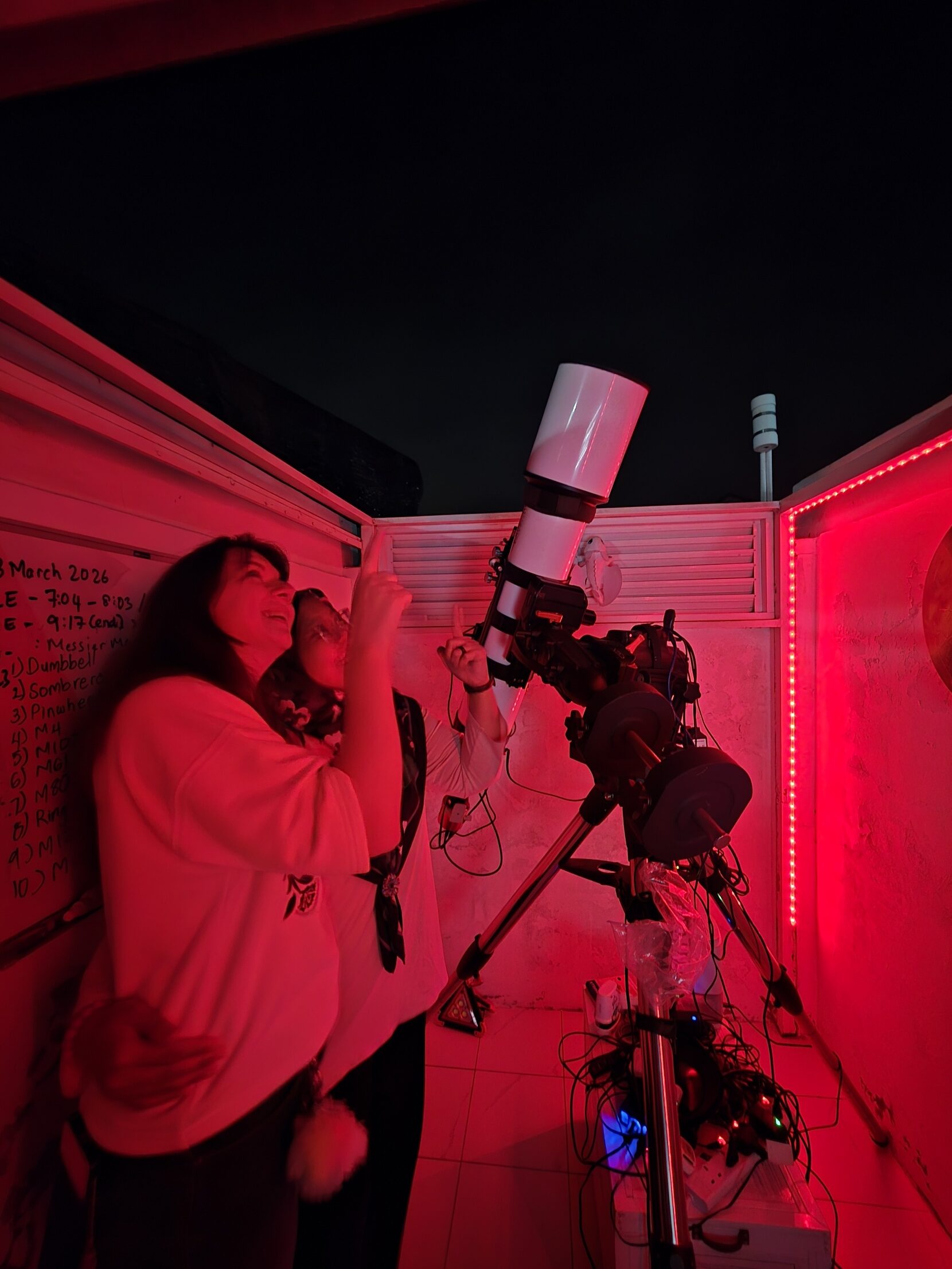
Bandar Seri Begawan – Asteroid 1997 NC1 made a safe but scientifically significant close flyby of Earth on 28 June 2026, drawing attention from astronomers worldwide – including in Brunei Darussalam. The asteroid, measuring about 1 kilometre in diameter, is classified as an Aten‑type Earth‑crossing object and is estimated to be 50–60 times larger than the 2013 Chelyabinsk meteor. Despite travelling at an extraordinary 32,000 km/h, the asteroid appeared only as a faint magnitude‑10 point of light through small telescopes, drifting slowly across the night sky.
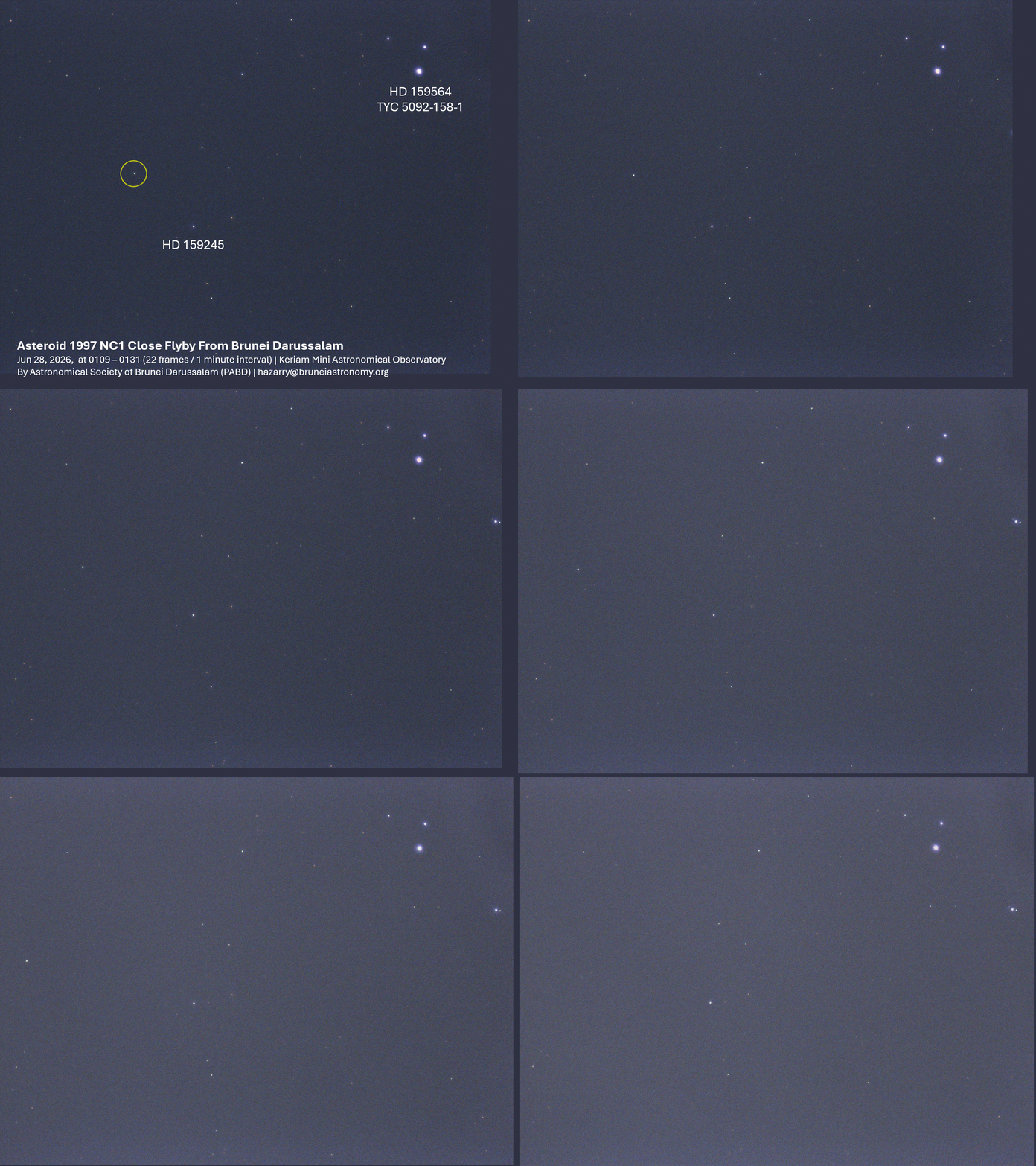
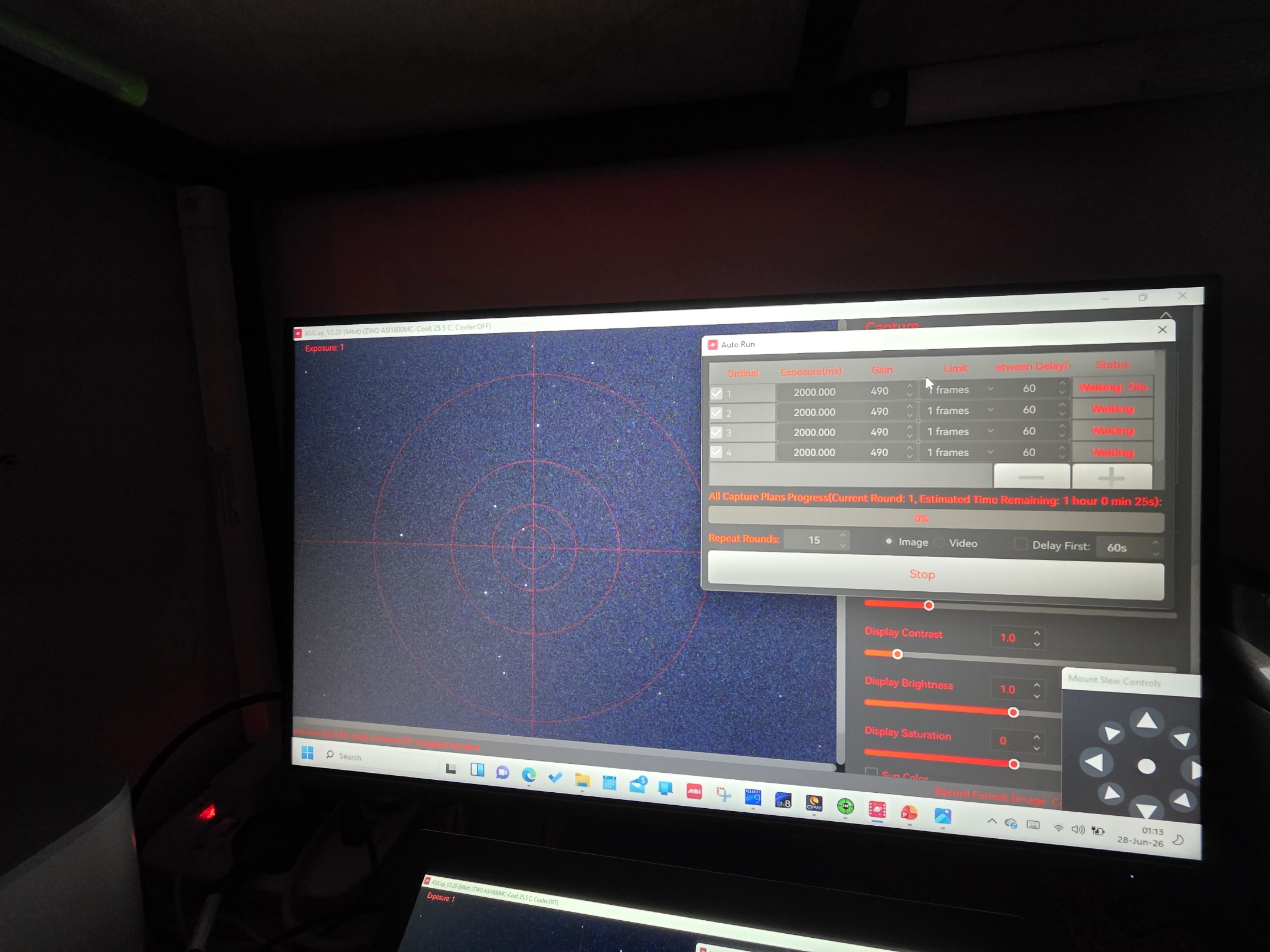
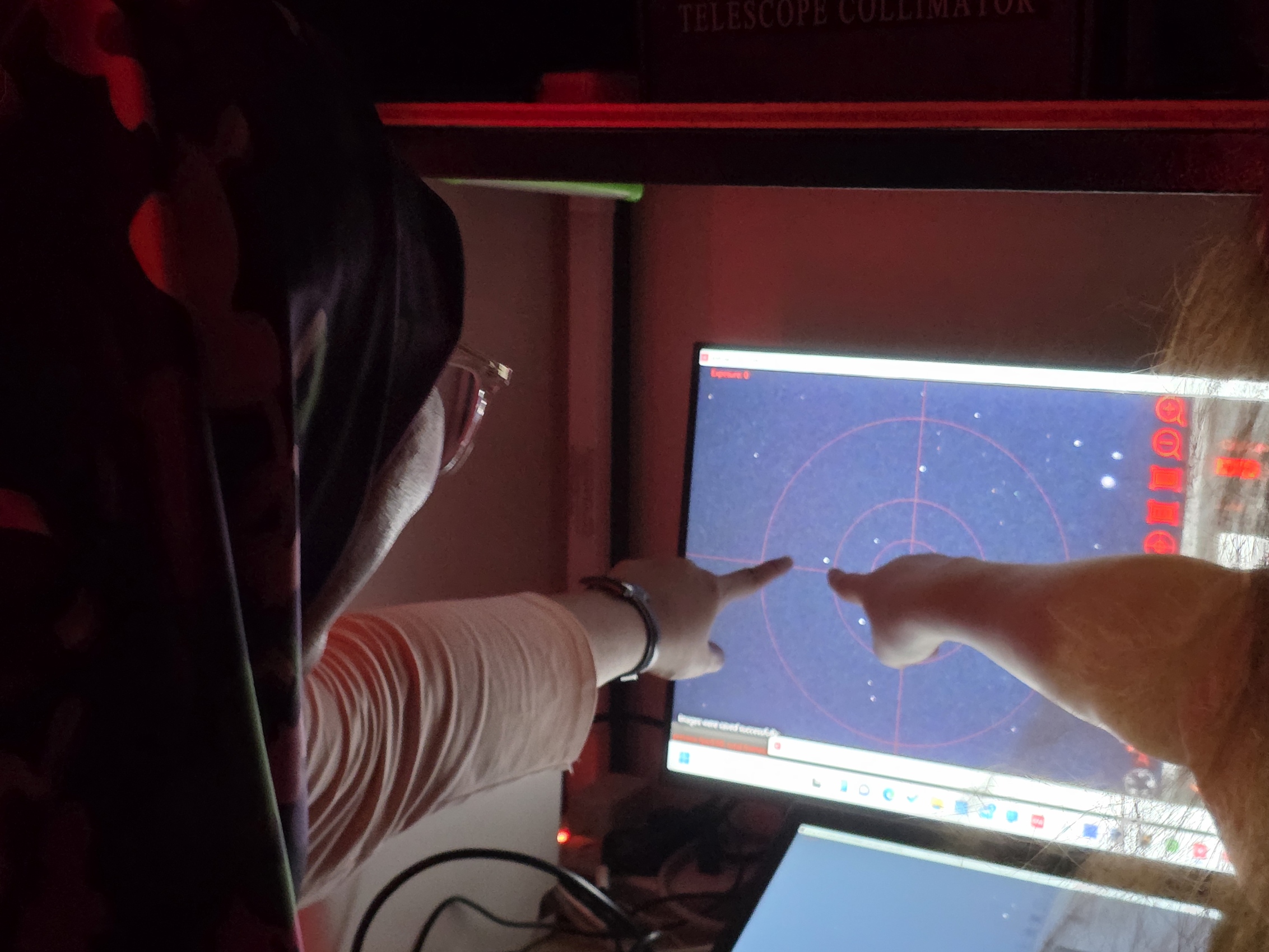
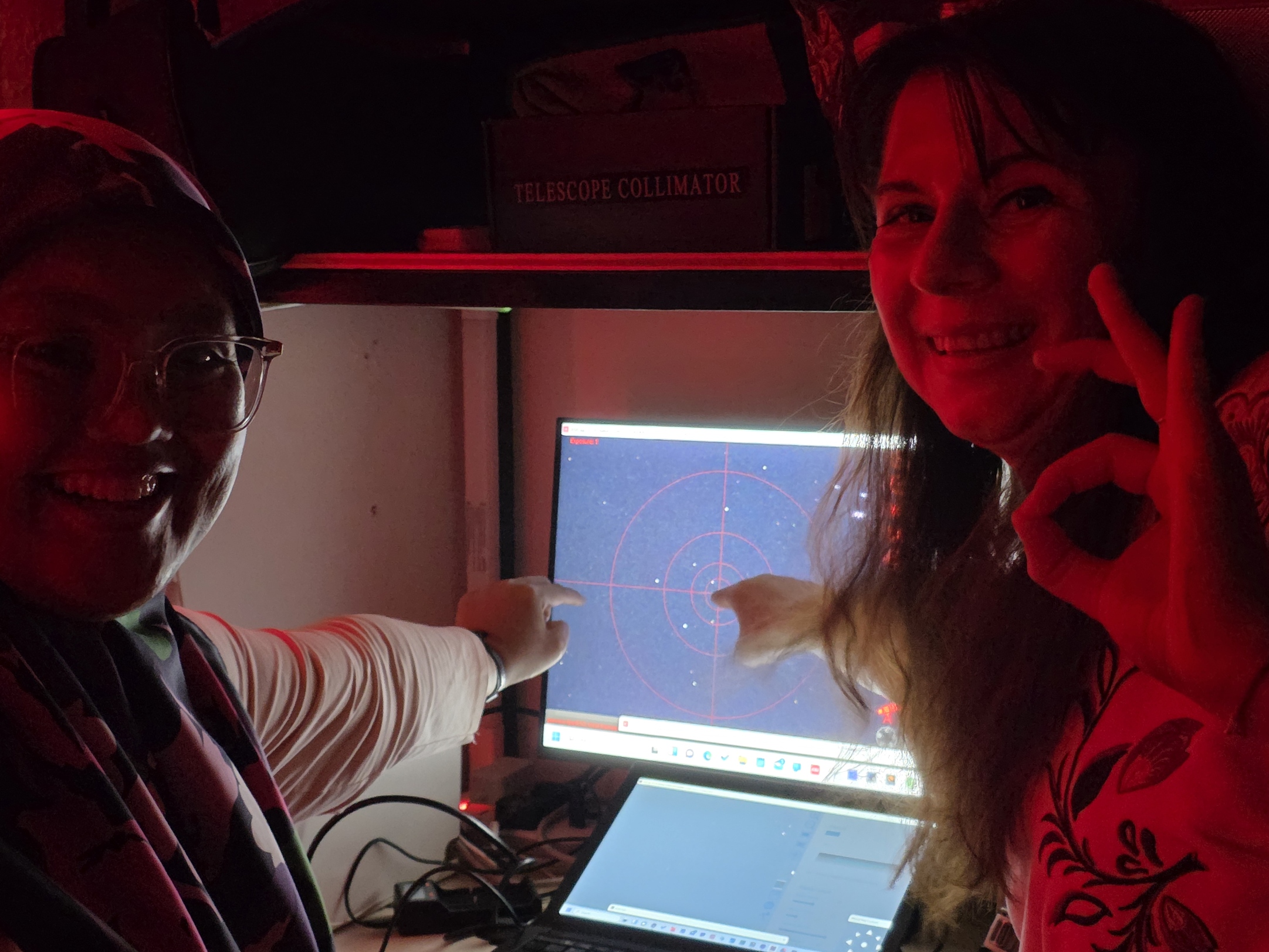
In Brunei Darussalam, members of the Astronomical Society of Brunei Darussalam (PABD) successfully documented the event from local observation sites. Using a telescope and camera system, the team recorded a 22‑frame time‑lapse sequence between 01:09 and 01:31 local time on June 28, 2026, capturing the asteroid’s subtle but steady movement. Each frame was taken at one‑minute intervals, allowing asteroid hunters to clearly track the object’s path as it passed through the constellation Ophiuchus.
The flyby also highlights the importance of monitoring Potentially Hazardous Asteroids (PHAs) – a category that includes objects like 1997 NC1 due to their size and Earth‑crossing orbits. Although this particular encounter was completely safe, PHAs are scientifically significant because they help researchers understand long‑term impact risks and refine planetary‑defence strategies.
PABD continues to play an active role in raising public awareness in Brunei Darussalam about near‑Earth objects by sharing observations, educating communities, and encouraging interest in how these celestial bodies are tracked and understood.