By Hazarry bin Haji Ali Ahmad
This post will be updated from time to time as new information and comet development becomes available
Summary
- First identified by the Pan‑STARRS survey in September 2025 with its 1.8‑meter telescope atop Haleakalā in Maui, the comet later drew visual confirmation from veteran discoverer Alan Hale, who spotted it on 20 March 2026 using 10×50 binoculars at roughly magnitude 9.
- Its orbit is sharply tilted about 125° and its eccentricity slightly exceeds 1.0, suggesting it may be a first‑time visitor to the inner Solar System that will not return.
- A strong forward‑scattering geometry in late April, when the comet passes between Earth and the Sun, could significantly boost its apparent brightness.
- Forecasts remain unusually uncertain, with estimates ranging from magnitude 7–8 all the way to a dazzling –2.5, making this one of the most unpredictable comet brightness outlooks in recent decades.
- Live Comet Tracking is available: Comet Ephemeris
Updated: May 05, 2026
Rare Comet Sighting In Brunei Darussalam
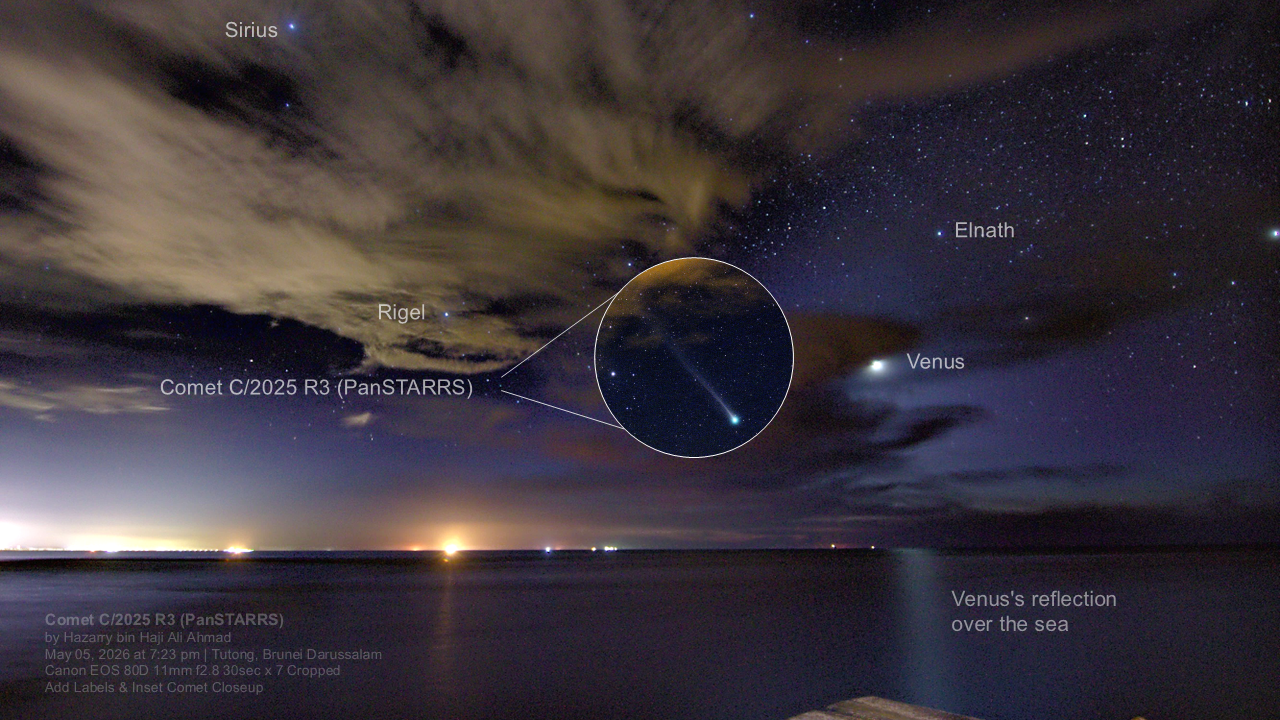
The evening sky featured a stunning appearance of Comet C/2025 R3 (PanSTARRS) last night on May 05, 2026. Two weeks post-perihelion, it’s a naked-eye object at magnitude 5.3.
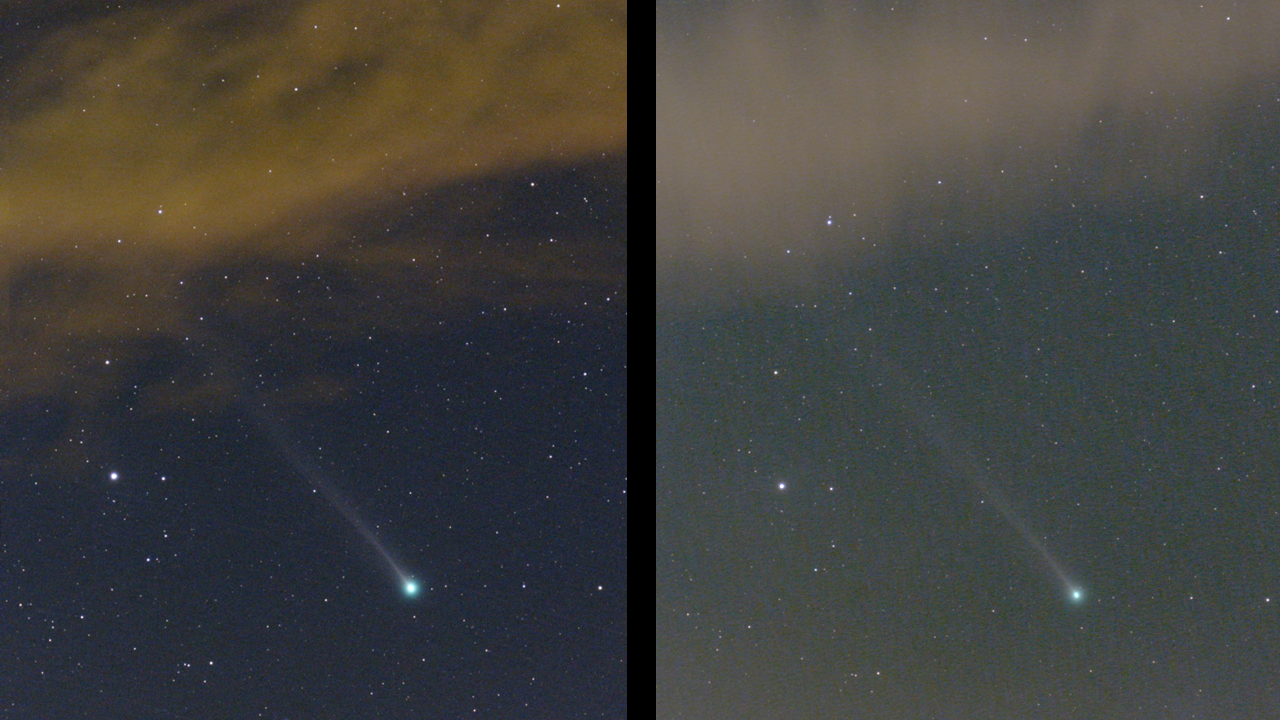
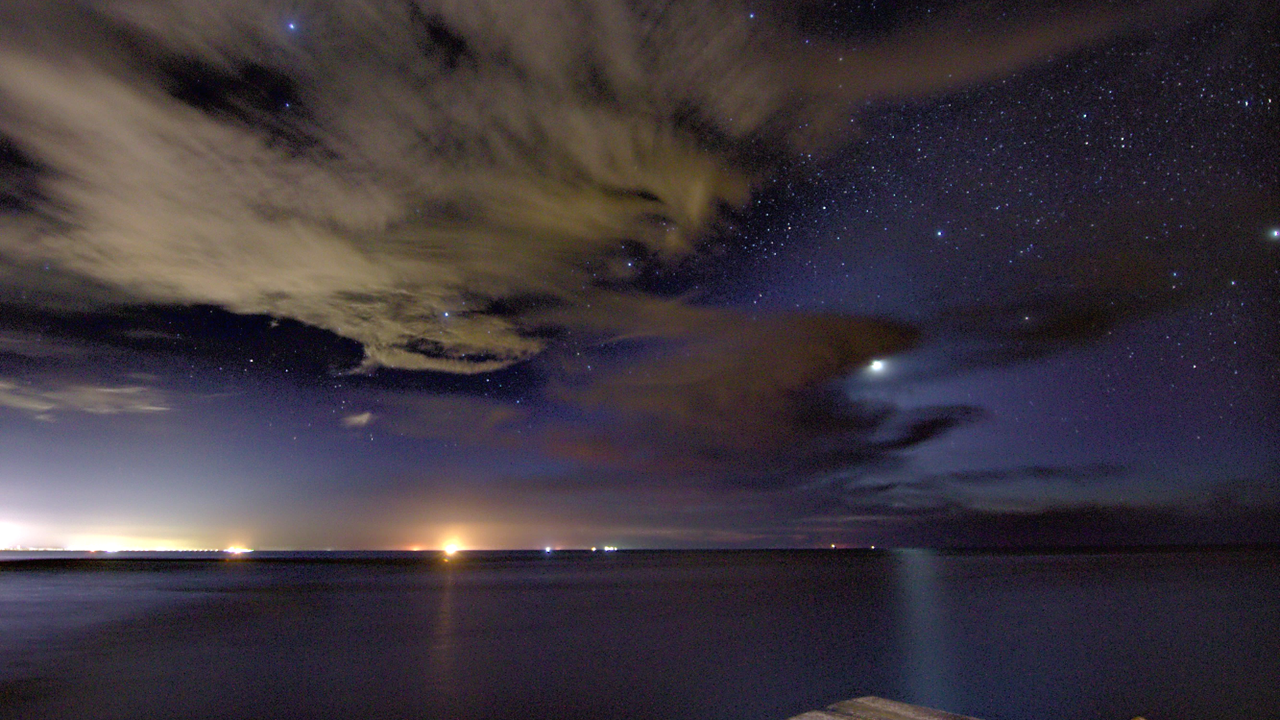
In the wide-field photo, the comet sits in Eridanus near Sirius and Rigel, with Venus reflecting over the sea in the west. Close-up photos show a striking tail and brilliant coma as it begins a 170,000-year journey back to the outer solar system.
Update: April 11, 2026
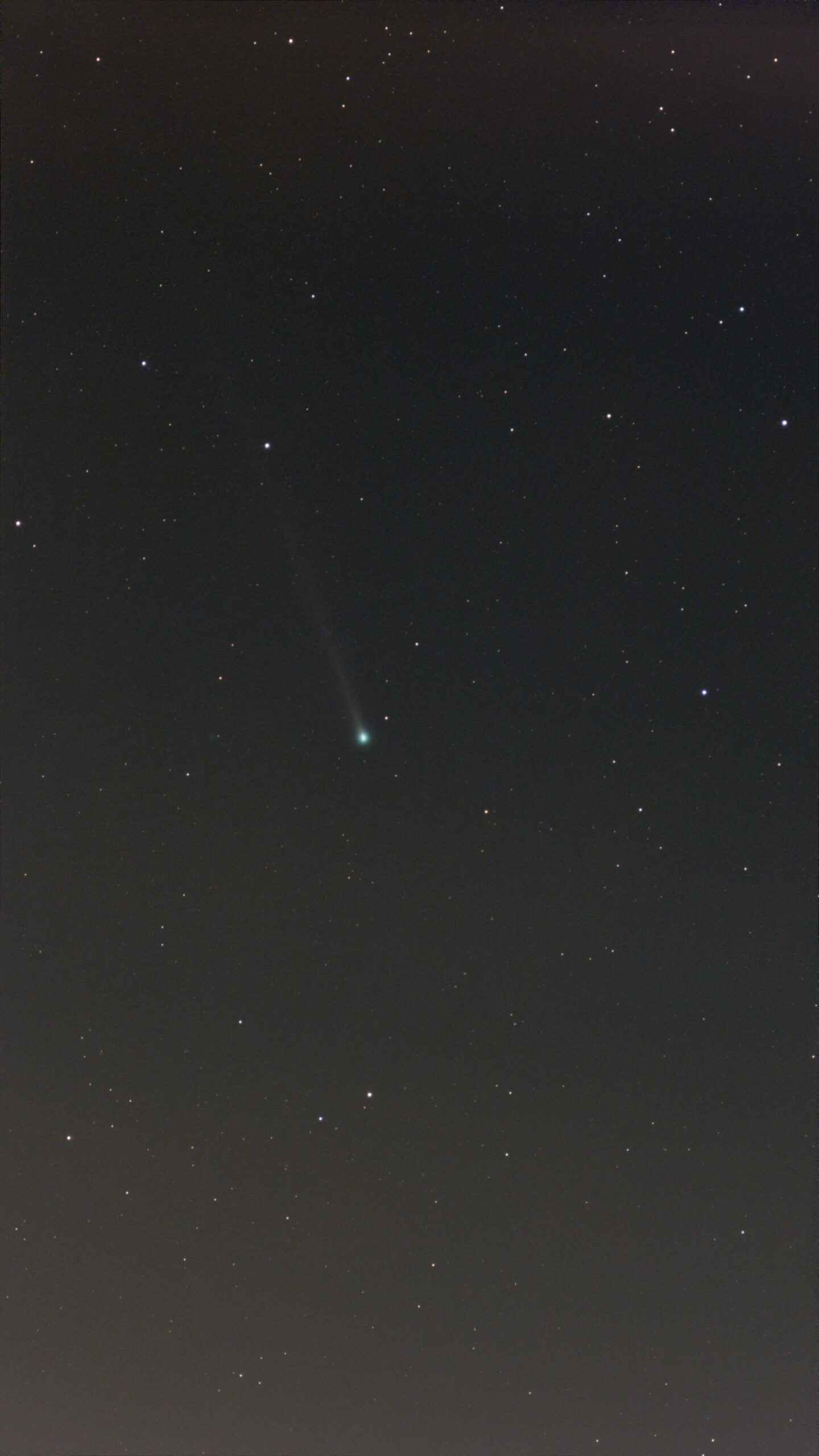
[160mm f/5 Stacked: 20 sec x 30 frames]
(Photo: Hazarry Ali Ahmad / PABD)
A Celestial Visitor
Comet C/2025 R3 (PANSTARRS) represents a significant subject for astronomical observation in mid-2026. Discovered by the Panoramic Survey Telescope and Rapid Response System (PANSTARRS), this comet follows a trajectory that brings it into the inner solar system, offering a window of visibility for both morning and evening observers
The cosmic wanderer was discovered on September 8, 2025, by the Pan-STARRS 2 telescope located at the Haleakalā Observatory in Hawaii. At the time of its discovery, the comet was extremely faint, with an apparent magnitude of approximately 19.8 – roughly 100,000 times fainter than what the naked eye can see.
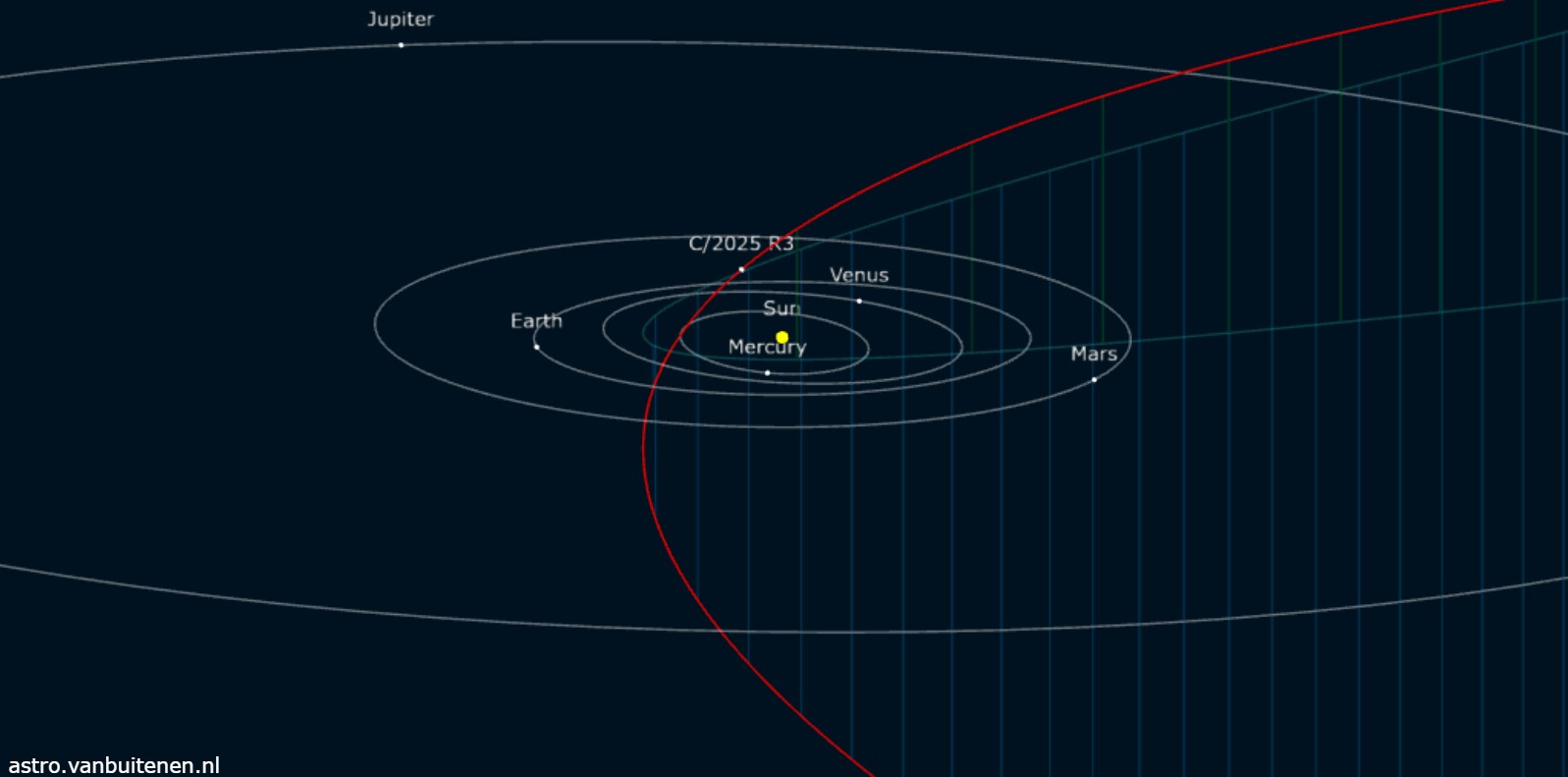
It was found when it was still about 3.6 AU (approximately 540 million km) away from the Sun, well beyond the orbit of Mars. It is a long-period comet travelling on a steeply inclined retrograde orbit tilted about 125° to the ecliptic. This strongly suggesting an origin in the distant Oort Cloud. Its eccentricity exceeds 1.0, indicating that this may be a first-time visitor to the inner solar system that will never return,
Orbital Dynamics and Characteristics
Following its discovery, the comet has brightened significantly as it approaches its perihelion. The comet’s path is characterized by a close approach to both the Sun and Earth in April 2026. During this period, its distance from the Sun (perihelion) reaches a minimum of approximately 0.498 astronomical units (AU) or 75 million km around April 20, 2026.
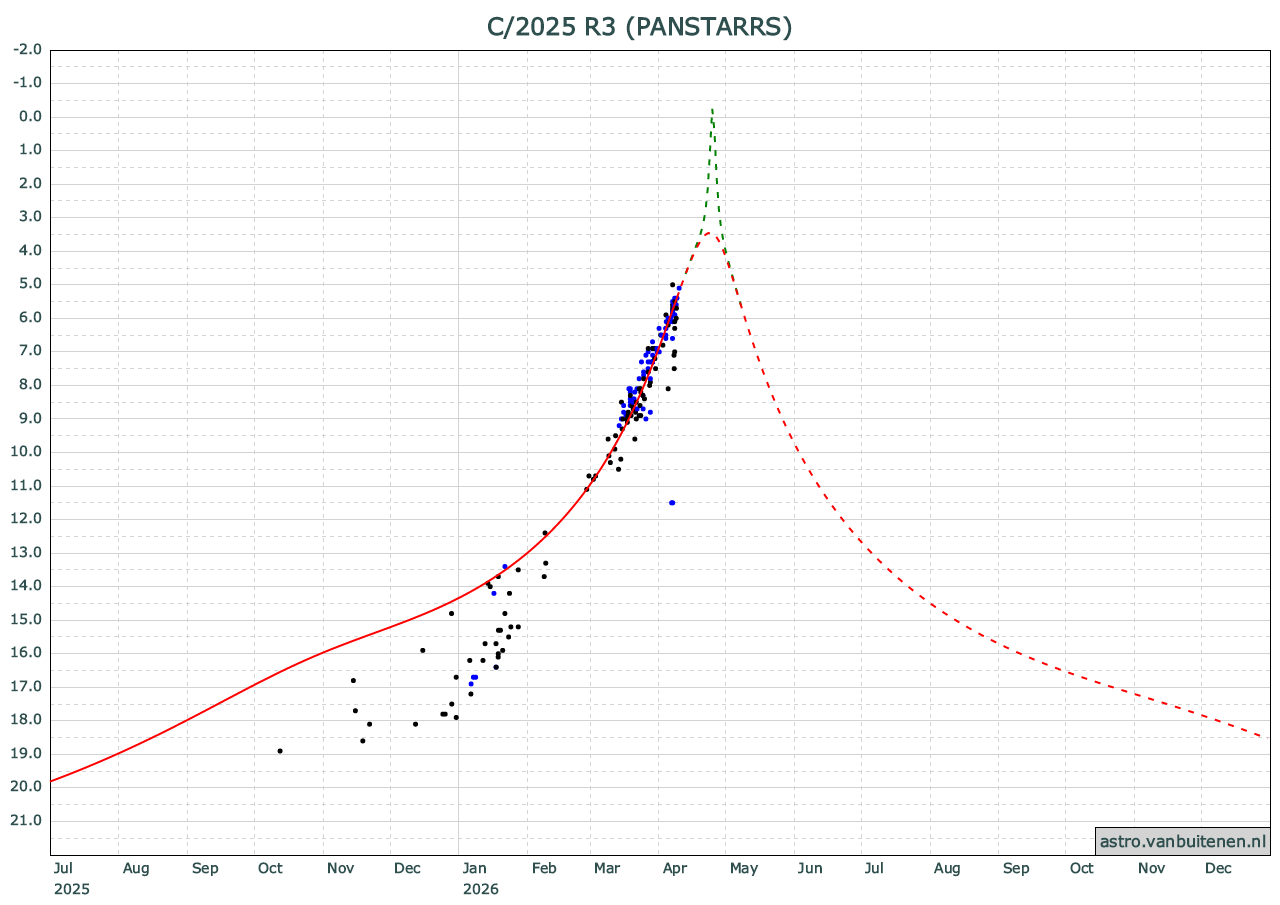
Its proximity to Earth also peaks during late April, with its closest approach occurring at roughly 0.489 AU or 73 million km to Earth on April 26, 2026. As it nears these points (perihelion and perigee), its celestial brightness (magnitude) increases to 3.4, making it a more accessible target for telescopic and binocular even naked eye observation.
Although early estimates suggest the comet may brighten significantly, comet brightness is inherently unpredictable because these icy bodies can behave differently as they approach the Sun. Comets are made of dust, rock, and volatile ices. As they heat up, their activity can surge, stall, or even fade unexpectedly. Outbursts, fragmentation, or low volatile content can all cause a comet to appear brighter or dimmer than predicted. This is why astronomers treat brightness forecasts with caution, especially for newly discovered comets
Visibility Outlook from Brunei
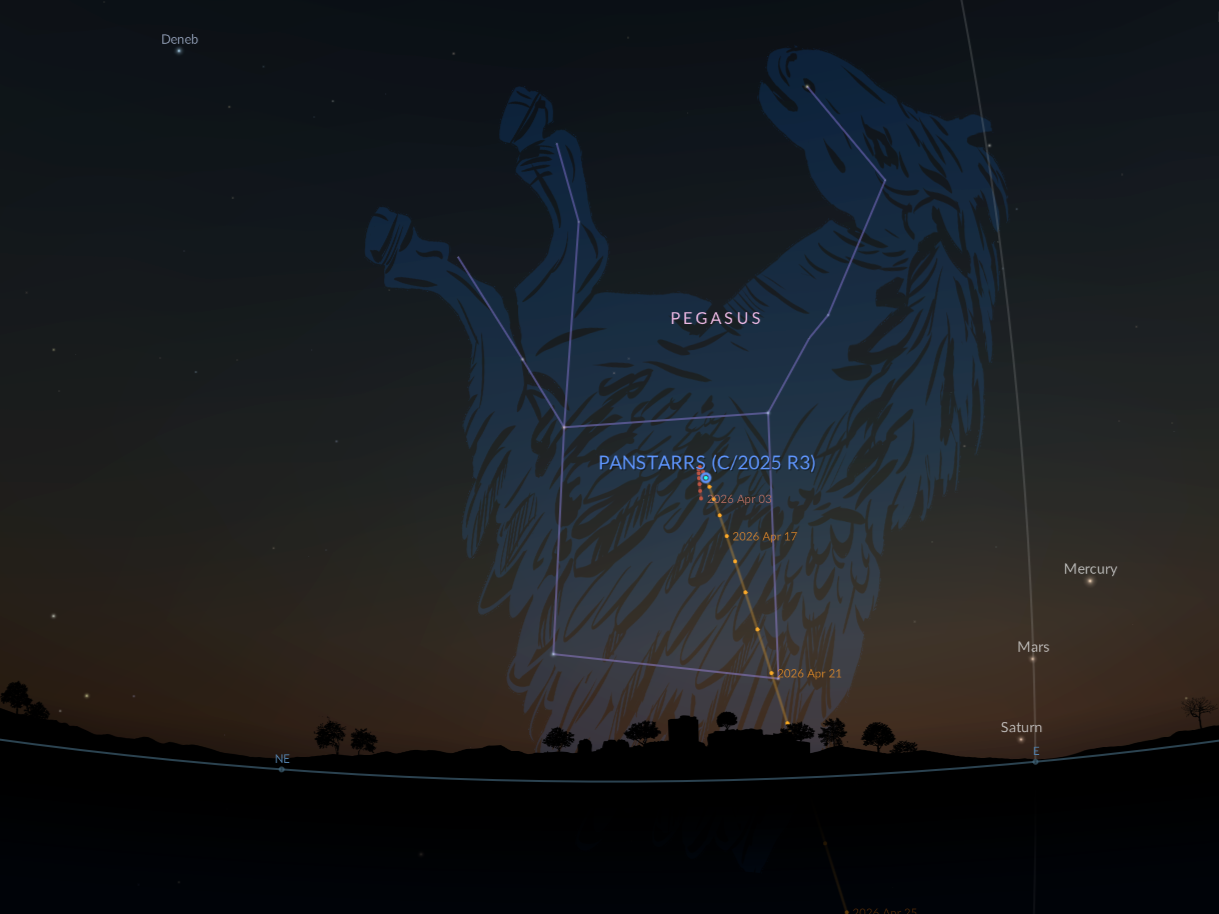
Based on local ephemerides, the visibility of C/2025 R3 (PANSTARRS) from Brunei Darussalam follows a distinct transition from a morning object to an evening object during April and May 2026.
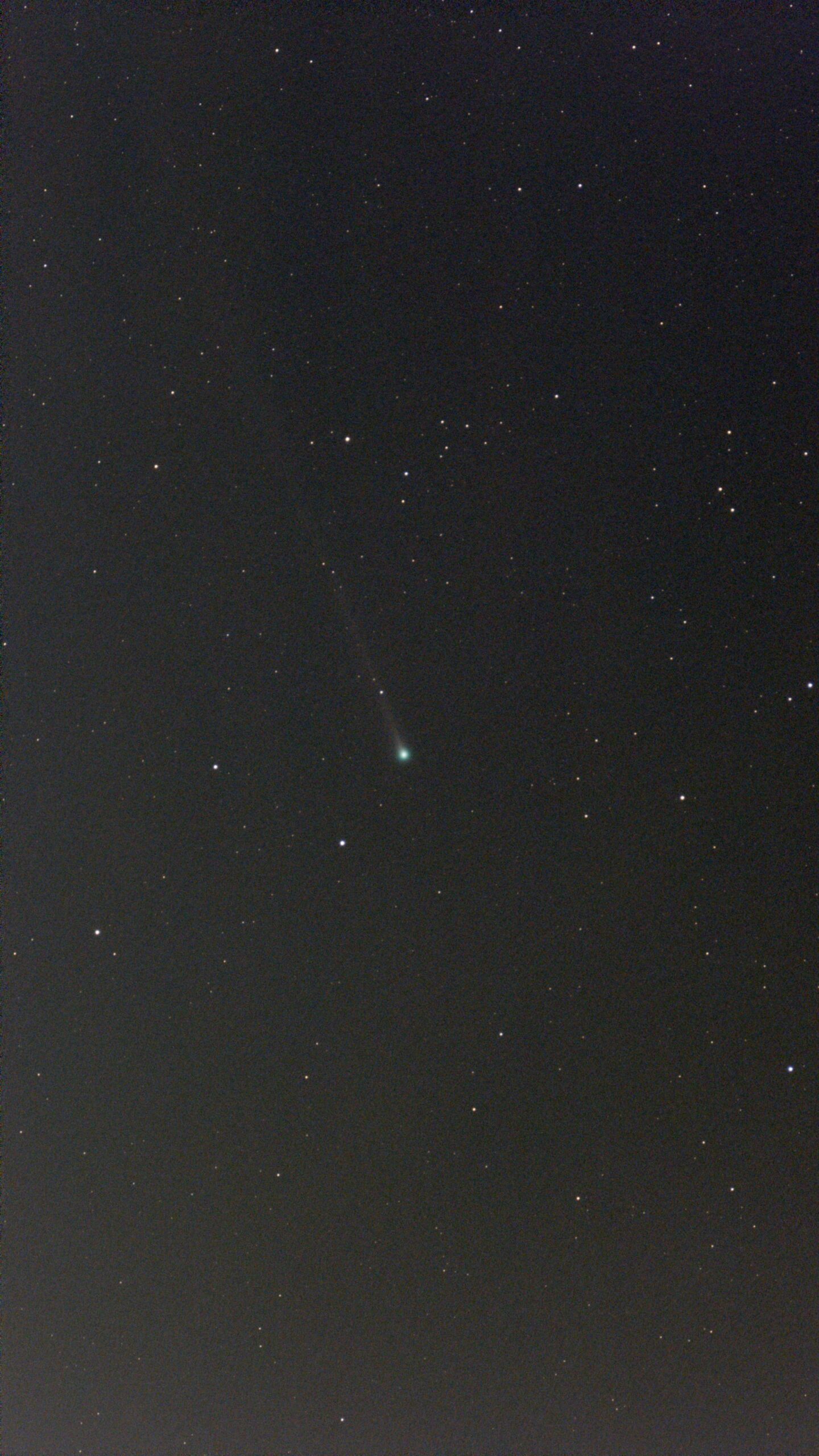
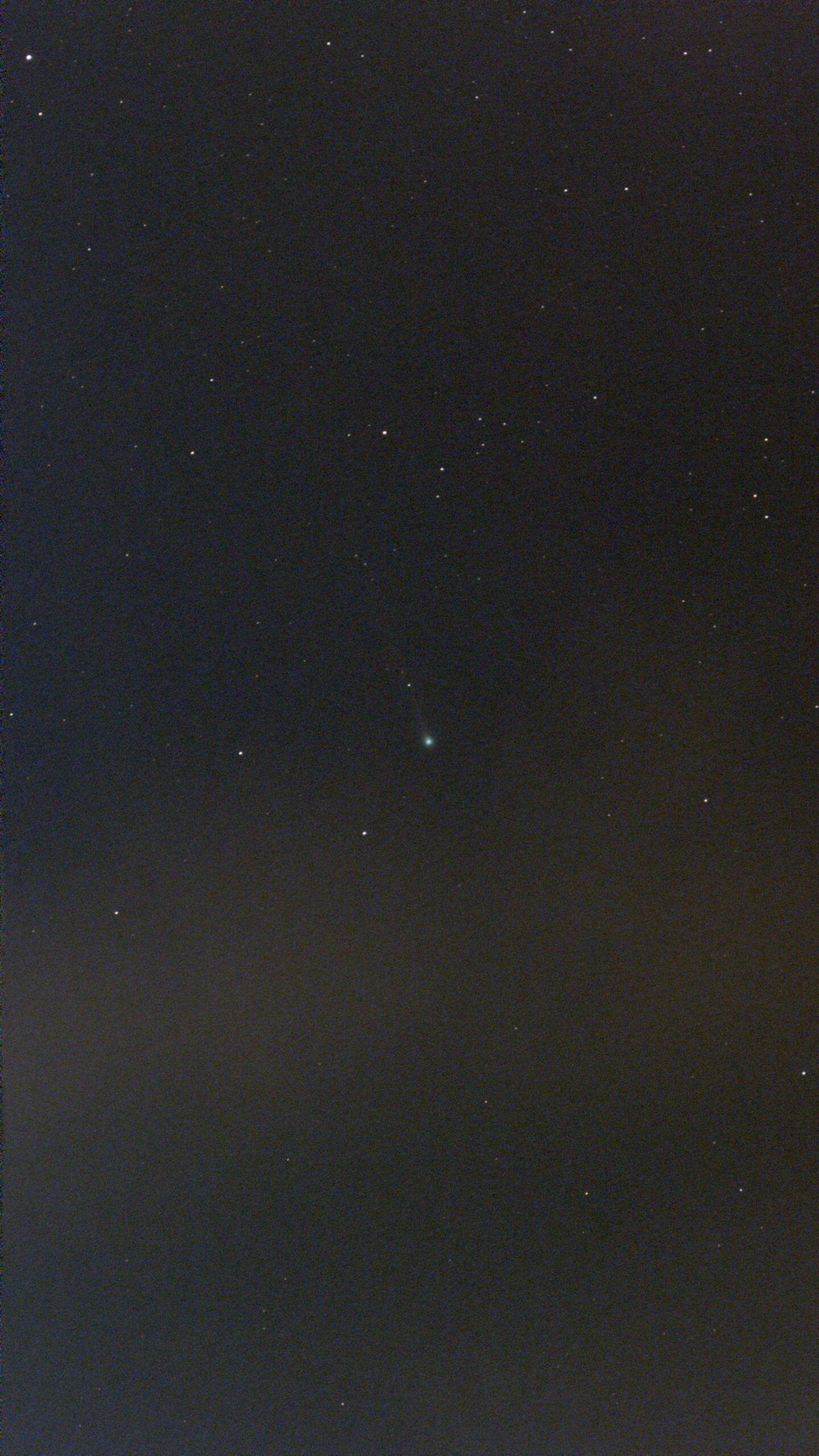
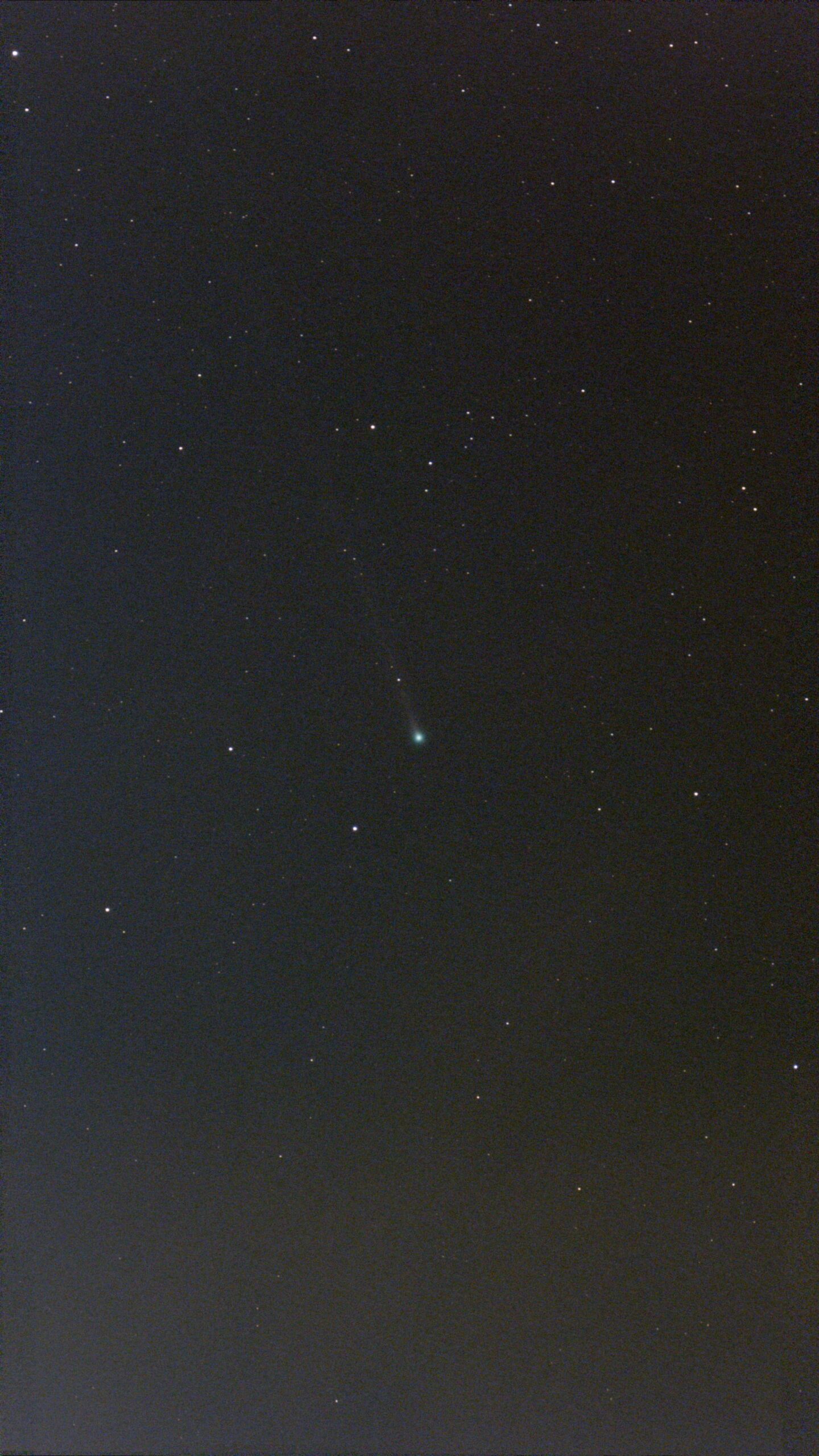
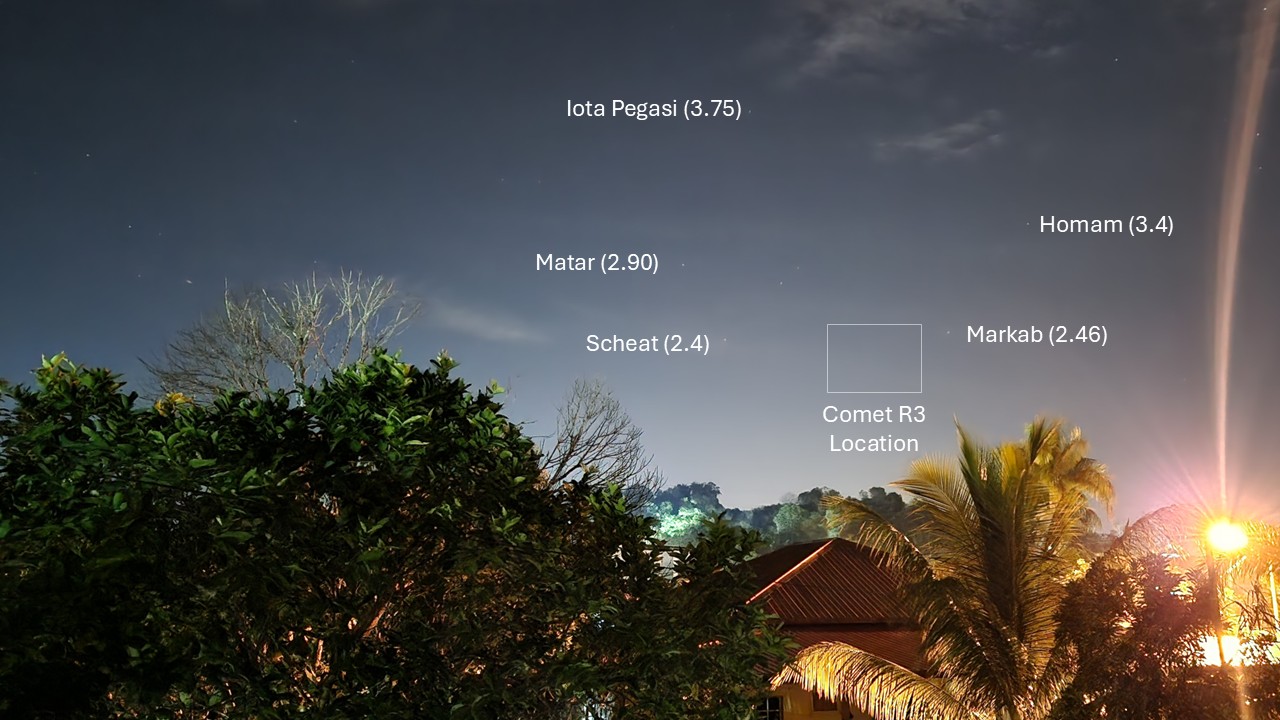
Above: A bright comet with a distinct sweeping tail rises against a star‑filled cloudy sky, captured from Brunei Darussalam in the early hours of 10 April 2026. The comet’s nucleus glows prominently at the center of the frame, while its tail fans upward. (Photo by Hazarry bin Haji Ali Ahmad / PABD)
Morning Observations (at 5:00 AM):
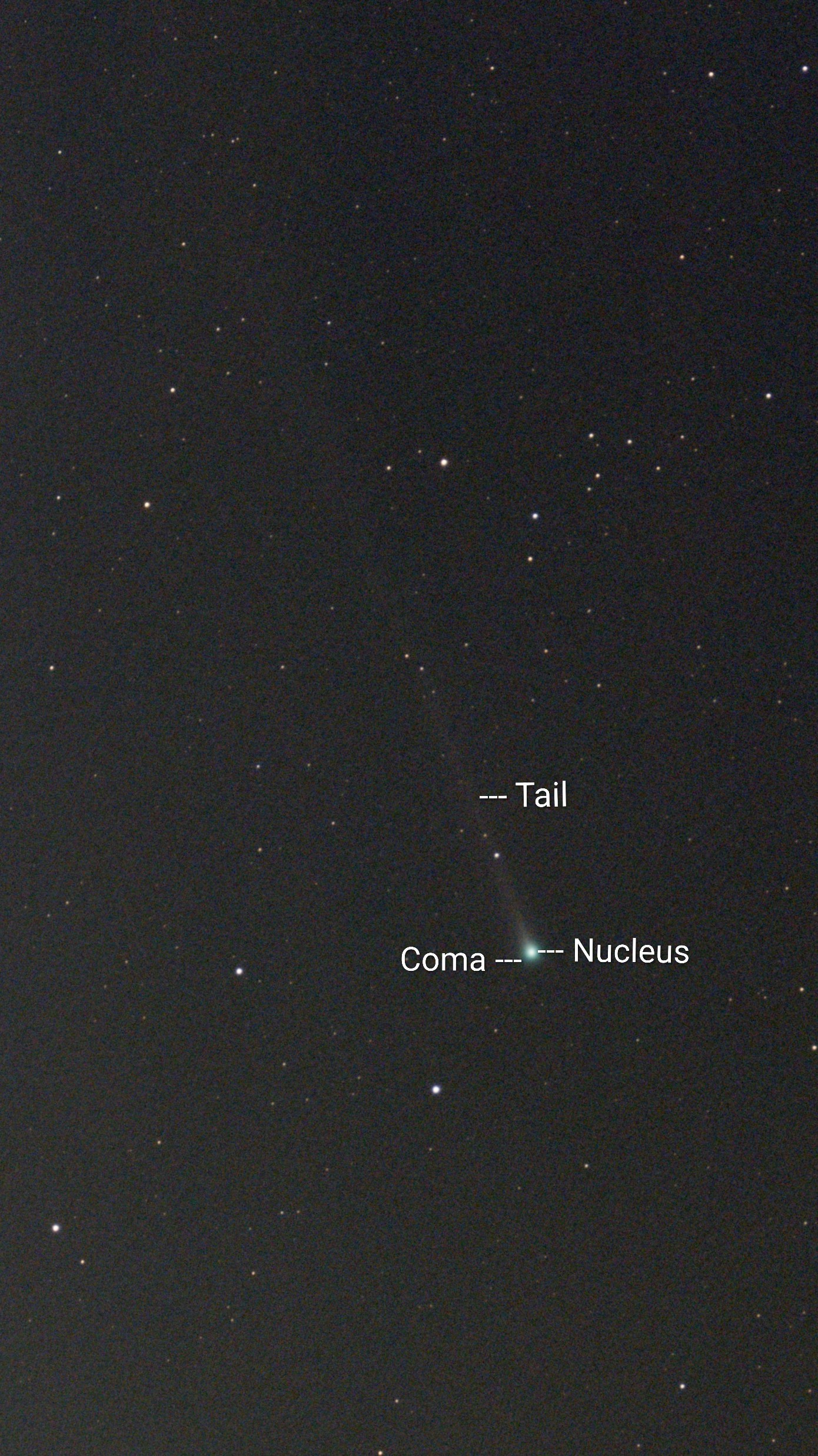
During early April – The comet is a pre-dawn object visible in the eastern sky. On April 10, the comet is located in the constellation Pegasus. According to Comet Observation Database (COBS), the observed magnitude of comet C/2025 R3 (PANSTARRS) is currently 5.1. It is expected to reach a naked-eye visibility of around +3 around its perihelion passage on April 20, 2026. Peak Morning Visibility – Its brightness improves through mid-April, reaching by April 20 at magnitude 3.4. After April 21, the comet’s altitude at 5:00 AM becomes negative as it begins its transition toward evening visibility, disappearing from the pre-dawn sky into the daylight. R3 comet and the Sun are in conjunction about 3.6° on April 25 at 8.20 pm (Brunei Time).
Evening Observations (at 6:45 PM):
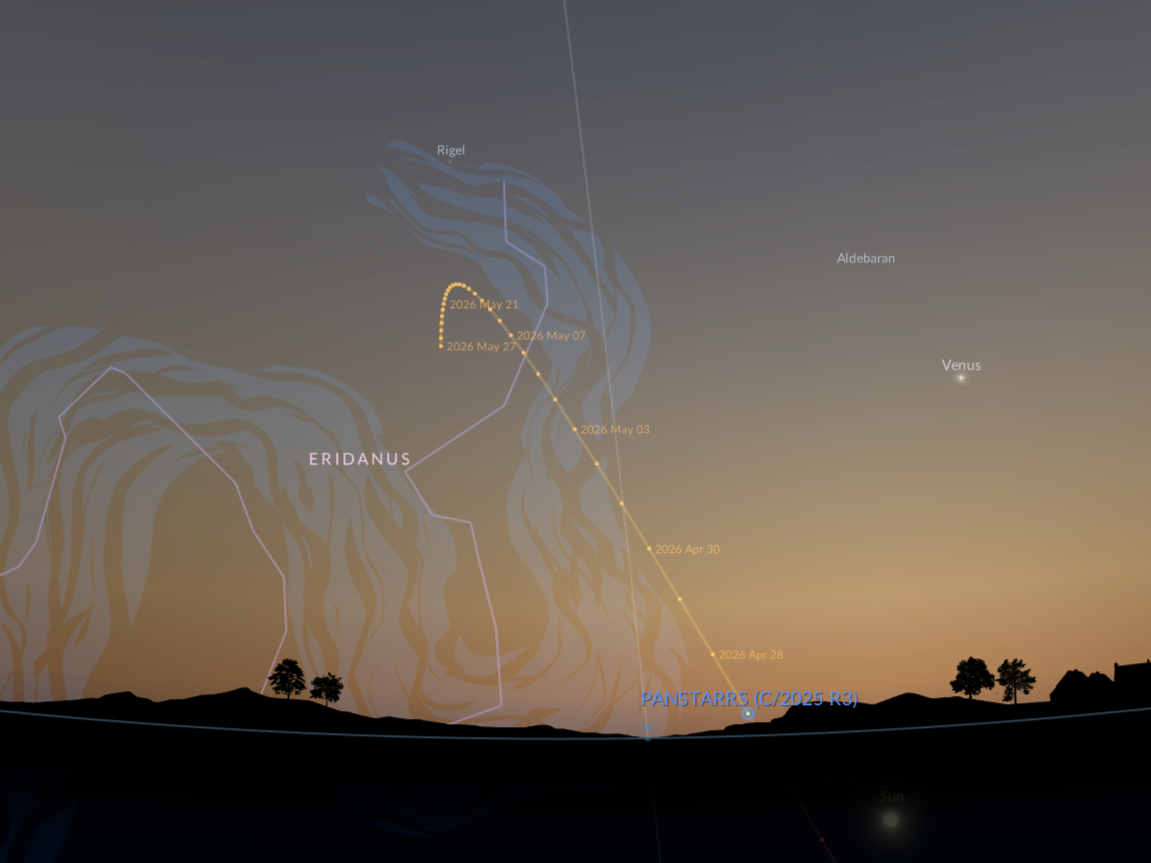
As the comet moves past its closest approach, it becomes a prominent evening object in the western sky. Starting April 27, the comet appears at magnitude 3.7 above the horizon at 6:45 PM. Throughout May, the comet climbs higher in the sky at 6:45 PM but gradually fades. It moves through Eridanus (early May), Orion (mid-May), and eventually Monoceros. On May 10, it sits at an altitude of 27.4° in Orion with a magnitude of 6.6.
For observers in Brunei, the best views will come by facing the east‑north‑east before dawn in mid‑April, then shifting to the western sky after sunset from late April through May. While the comet is expected to remain brighter than magnitude 6, it may be visible to the naked eye in darker areas, though local light pollution will play a major role. By mid‑May onward, binoculars or a small telescope will become increasingly important for a clear view of the comet.